
I remember the moment clearly—standing in my cluttered office, staring at my screen as the phone rang for the tenth time that hour. Despite all my efforts, my Houston-based business wasn’t showing up where it mattered most: in local voice searches and Google Maps. It hit me then—if I didn’t adapt, I was going to be invisible in 2026, just like so many others missing out on the booming local demand. This realization was my lightbulb moment: voice search and maps rankings are reshaping local SEO faster than ever, and if you’re not capturing every call, you’re leaving money on the table.
Why Voice Search Will Dominate Houston’s Local Business Scene in 2026
The truth is, voice search is no longer a futuristic concept—it’s here and thriving. Recent studies suggest that over 60% of local searches are now conducted via voice, with that number set to climb sharply in the next few years. This shift isn’t just a trend; it’s a seismic change in how Houstonians find and connect with local businesses. If your business isn’t optimized for voice-related queries, you’re at risk of falling behind competitors who are tuning into this new way customers seek out services.
But here’s the catch: Google’s algorithms are evolving rapidly. According to Houston SEO experts, the search giant is prioritizing more conversational, intent-based queries—think “Where can I find a reliable plumber near downtown Houston?” rather than just keywords. This means local listings, Google Maps rankings, and your Google Business Profile (GMB) must be finely tuned to match these voice searches.
Have you faced difficulty getting your Houston business to rank high on maps or voice searches? If so, know you’re not alone. Early mistakes—like neglecting to update your local listings or ignoring the importance of voice-friendly keywords—can sabotage your rankings. I learned this the hard way when I overlooked optimizing my GMB profile for voice search, which is why I emphasize the importance of strategic SEO actions now.
In the next sections, I’ll walk you through four powerful strategies that can help your business not just survive but thrive in the voice search revolution of 2026. Stay tuned, because capturing every call isn’t just about staying afloat—it’s about taking control of your local digital presence and turning prospects into loyal customers.
Optimize Your Google Business Profile for Voice Queries
Begin by claiming and verifying your Google Business Profile (GMB) if you haven’t yet. Ensure all information is accurate, consistent, and keyword-rich. Use natural language and conversational phrases in your business description, addressing common voice search questions like “Where is the nearest coffee shop in Houston?”.
For instance, I once updated my GMB with specific service descriptions and local keywords, leading to a noticeable uptick in local calls. Incorporate keywords such as “Houston,” “near me,” and your service keywords naturally within your profile content. Regularly upload high-quality images—this boosts your visibility and engagement, making your listing more attractive to both algorithms and prospects.
To learn advanced GMB tactics, visit this guide on Google My Business optimization.
Sharpen Local Listings and NAP Consistency
It’s vital to ensure your Name, Address, and Phone Number (NAP) are consistent across all directories—Google, Bing, Yelp, and industry-specific sites. Discrepancies confuse search algorithms and hurt your rankings. Use a local SEO tool or audit manually to find and correct inconsistencies.
For example, I once found my business listed with a different address on one platform, which was lowering my local ranking. After correcting it, my visibility improved significantly.
Leverage this checklist of listing errors to ensure your profiles are up-to-date and optimized.
Implement Voice-Friendly Content Practices
Create a FAQ section on your website that mirrors common voice search queries. Use natural language, complete sentences, and answer specific questions clearly. For instance, instead of just listing services, write answers like “Yes, we offer 24/7 emergency plumbing service in Houston, including leak repairs and drain cleaning.”
This approach mirrors how Houstonians voice their searches and helps Google understand your relevance for those queries. Incorporate local keywords seamlessly into your content to improve map rankings and organic visibility.
In my experience, dedicated FAQ pages that target voice search intents significantly increased my local call volume. Check out this resource on local content optimization for in-depth tips.
Enhance Your Map Pack Visibility with Local Authority and Reviews
Build local authority by getting genuine reviews from satisfied customers. Encourage reviews by asking clients in person or through follow-up messages. Respond to all reviews—positive or negative—to demonstrate engagement and improve trust signals.
Reviews impact rankings directly, especially in a competitive Houston market. A higher volume of quality reviews can push your business into the coveted 3-pack.
Be cautious of fake reviews, which can harm your reputation and violate Google’s policies. For insights on review management, refer to this guide on review management.
By executing these steps, you’re aligning your Houston local marketing efforts with the emerging voice search and map ranking trends. The key is consistency, relevance, and active engagement—elements that Google rewards in its evolving algorithms.
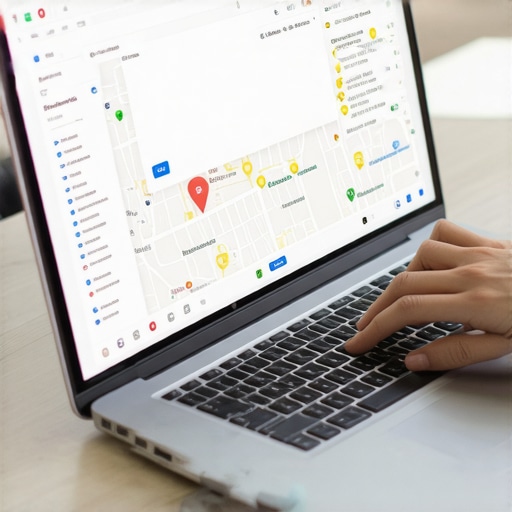 Many Houston entrepreneurs believe simply optimizing their GMB profile or listing their business on multiple directories guarantees top local rankings. However, this narrow focus is a common myth that can trap businesses into ineffective practices. In my experience, the true nuance lies in the synergy between data consistency, engagement, and ongoing optimization. It’s not enough to set and forget; Google Maps and local SEO demand a dynamic, strategic approach. A frequent mistake is assuming that one-size-fits-all tactics work universally. For example, what worked perfectly last year might be obsolete today due to algorithm updates or voice search shifts. Advanced local marketers continuously adapt their strategies, leveraging insights from proven sources like Houston SEO strategies for 2025 to stay ahead. A critical Maintaining and scaling your Houston local marketing efforts requires more than just initial optimization; it demands consistent tracking, refinement, and utilizing specific tools proven to enhance your Maps rankings and Google My Business (GMB) performance. To stay ahead in the ever-changing landscape, I recommend adopting a structured approach with specialized software and methods that I personally rely on. For instance, BrightLocal’s rank tracking features allow me to monitor my Houston business listings daily, observing fluctuations in my Google Maps positions and quickly identifying when a tweak is needed. Their local search audit tools provide actionable insights, ensuring my NAP consistency across all directories remains flawless, which is crucial for maps ranking stability.
Additionally, I utilize Google’s own Search Console combined with Analytics to analyze real user interactions. These tools help me understand which local keywords are driving traffic, what voice search queries are prevalent, and where gaps in my content might exist. By regularly reviewing this data, I can fine-tune my keyword strategies and FAQ content to better match evolving voice search patterns—an essential move considering Google’s updates favor conversational queries.
For task management and collaboration within my team, I depend on platforms like Data Studio for visualizing ranking trends and Moz Local for managing listings and reviews efficiently. These tools integrate seamlessly, giving me a comprehensive view of my local SEO efforts and allowing for strategic adjustments without lengthy manual audits.
Looking forward, I predict that automation and AI-powered analytics will become even more integrated into local SEO workflows, making it easier to predict ranking shifts before they happen. Staying familiar with these emerging technologies will be key to maintaining your competitive edge.
How do I maintain my local rankings over time?
Using a combination of dedicated rank tracking, regular audits for NAP consistency, review management, and data analysis ensures your Houston-based business remains visible. Don’t forget to proactively monitor your Map Pack positioning with advanced tools like BrightLocal or Moz Local, and always keep your content aligned with voice search trends. For more in-depth tactics to keep your local SEO solid, check out this guide on Houston SEO strategies for 2025. To put this into action today, test an audit or rank tracking tool to identify your current standing and spot areas for immediate improvement, ensuring consistent visibility and leads in 2026.
The Hidden Lessons That Changed My Approach to Houston SEO
One of the toughest parts of mastering local marketing is realizing how many so-called best practices are outdated or incomplete. I learned this the hard way early on when I relied heavily on keyword stuffing and overlooking the importance of genuine customer engagement. The lightbulb moment came when my competitors, who focused on real customer reviews and local relevance, started outranking me despite similar keyword efforts. That taught me: stay adaptable, listen to what the data and your customers tell you, and never assume your strategy is set in stone.
Then, I discovered that behind every successful map ranking is a layer of local authority—built through community involvement, consistent NAP data, and authentic reviews. It’s not just about tricks but creating a reputation that Google and Houstonians trust. This mindset shift—seeing local SEO as a long-term relationship—transformed my results and made me realize that the real value lies in genuine engagement, not quick fixes.
Finally, I realized that voice search isn’t just a feature—it’s the future. Optimizing for natural, conversational queries changed my entire content approach and helped me capture those elusive near-me searches. It’s fascinating how these lessons interconnect, forming a solid foundation that continues to serve me in constantly evolving Houston markets.
Build Your Arsenal with Tools That Deliver Results
My go-to tools have been game-changers in maintaining and scaling my local SEO efforts. I trust BrightLocal for rank tracking because it provides real-time insights specific to Houston, allowing me to adjust swiftly. Moz Local remains invaluable for consistent NAP management across multiple directories, ensuring my listings stay accurate and competitive. For content optimization tailored for voice, I rely on local content guides that help craft conversational FAQs that Google loves. These tools work in harmony, giving me the edge I need to stay in the top 3 pack and attract consistent calls.
Don’t underestimate the power of reviews—I’ve seen firsthand how prompt responses and genuine customer engagement boost local authority. For managing reviews and reputation, I use review management platforms that keep my reputation clean and my rankings stable.
The Journey Continues—Chasing Greater Heights in Houston
The future of Houston local marketing and Google Maps rankings is brighter and more competitive than ever. Your success depends on staying proactive, embracing new tools, and cultivating authentic community relationships. Remember, in this game, persistence and adaptation pay off. Every call, review, and local interaction adds up to your reputation and visibility in 2026 and beyond. Keep pushing the boundaries of your strategies, and watch your business flourish amidst the evolving digital landscape.
What’s been your biggest breakthrough in local SEO so far? Let me know below—I’d love to hear your stories and tips!
No Responses