
Ever had that sinking feeling when customers walk past your storefront, glance at your Google Maps listing, and then choose one of your competitors? I remember losing countless leads early on, feeling frustrated as my shop sat barely visible on the digital map. That lightbulb moment hit me hard—what if I could tweak a few key things and suddenly see my business jumping into the coveted top spots?
Why Local Map Rankings Matter More Than Ever in Houston
Let’s face it, in Houston, a sprawling city with fierce competition, your Google Maps ranking can make or break your local sales. According to recent studies, over 70% of users visit a store within 5 miles of their search, and most quick clicks happen on the first page of local results. If your shop isn’t showing up at the top, you’re essentially invisible to those ready-to-buy customers. And with the 2026 search landscape evolving rapidly—thanks to AI and smart search algorithms—you need to be on your game now more than ever.
I’ve watched many local business owners pour money into ads or fancy signage, but overlook the simple optimization tactics that boost their map rankings. I made this mistake myself early on—overcomplicating things while ignoring foundational adjustments. Once I shifted my focus to proven local SEO strategies, the change was night and day. That’s why I’m here to share the precise tips that helped me dominate the Houston local scene.
Is All the Hype About Maps Ranking Really Worth It?
Honestly, at first I was skeptical. I wondered if these tweaks were just hype or if they’d genuinely bring more foot traffic. Turns out, making small but strategic changes to my Google Business Profile and local listings had a substantial impact. The truth is, if you’re not optimizing your map presence, you’re leaving easy leads on the table. And trust me, with the right guidance, you can outrank big players and chains, even without huge ad budgets. Keep reading, because I’ll walk you through what works—based on real-world results and extensive testing.
Early in my journey, I failed to keep my profile updated or monitor reviews actively, which hurt my rankings. I learned that consistency and attention to detail are crucial—bounce-back is still possible, and I’ll show you how.
If you’ve been struggling with visibility and feel like your shop is invisible on the Houston map, you’re not alone. But it’s time to turn that around. Ready to discover how to rank instantly? Let’s dive into the essential tips that can push your local business straight into the spotlight for 2026.
Optimize Your Google Business Profile for Immediate Impact
Start by claiming and verifying your Google Business Profile if you haven’t already. Ensure all information is accurate, including your address, phone number, and business hours. Upload high-quality, localized photos—think of these as digital storefront signs. I remember the time I uploaded new images during a slow morning, which instantly caught more eyes and increased my foot traffic. Regularly update your profile with fresh content and respond promptly to reviews to boost relevancy. For comprehensive insights, visit this guide.
Implement Location-Based Keyword Strategies
Identify Houston-specific search terms that your target audience uses daily. Use tools like Google’s Keyword Planner to find high-volume local keywords like “Houston bakery near me” or “Houston plumbing services.” Incorporate these naturally into your business description, service menus, and posts. I once optimized my profile with city-specific keywords, leading to a noticeable spike in local inquiries within days. This is like planting signposts on popular routes—they guide customers directly to your doorstep. For detailed keyword tactics, explore Houston SEO strategies.
Build Local Citations and Consistent NAP Data
Ensure your Name, Address, and Phone number (NAP) are consistent across all online directories like Yelp, Bing Places, and industry-specific sites. Discrepancies can confuse search algorithms, harming your rankings. I systematically updated NAP info across multiple directories, which helped my business climb the local map results within a week. Think of citations as digital word-of-mouth endorsements; the more quality mentions, the more trustworthy your profile becomes. For a step-by-step citation building method, check local marketing wins.
Leverage Hyper-Localized Content and Posts
Regularly create posts about Houston events, community involvement, or local promotions. Use geo-specific keywords and include calls to action, like “Visit our Houston store today!” I once promoted a local charity event via my profile, which not only boosted engagement but also improved my local ranking. Think of each post as a beacon signaling your active presence in the Houston community—this authenticity resonates with both Google and potential customers. Discover more about effective posting at maps ranking tips.
Monitor and Manage Reviews Actively
Encourage satisfied customers to leave positive reviews while promptly responding to all feedback. Having a high review count with glowing comments is like having raving fans shout your praises from a rooftop—they draw attention and establish authority. I once responded to a negative review swiftly with a helpful tone, turning a dissatisfied customer into a loyal one and seeing my rating climb. Regular review management signals to Google that your business is trustworthy and engaged. For review strategies, see review management tips.
Utilize Local Backlinks and Partnerships
Forge relationships with Houston-based organizations, chambers of commerce, or suppliers who can link back to your site. These backlinks act as votes of confidence, elevating your authority in local searches. I partnered with a nearby supplier, which resulted in a backlink from their site and a ranking boost in Houston maps. It’s akin to getting a high-five from influential locals—your visibility increases as a result. Learn more about backlink strategies at local marketing techniques.
Analyze and Adjust Your Strategy Continuously
Use tools like Google Analytics and the Google My Business Insights dashboard to track your profile’s performance. Watch for changes in traffic, calls, and directions requests—these are your digital footprints. I once noticed a dip in phone calls, so I optimized my service descriptions for Houston-specific searches, which restored and exceeded previous call volumes. Think of this as tuning a musical instrument—you fine-tune for optimal harmony. For advanced analysis methods, explore GMB optimization fixes.
Many local business owners believe they understand how Google Maps ranking works, but in reality, some widespread myths can hinder their progress. Let’s dig deeper into these misconceptions and uncover the nuances that can make or break your Houston SEO efforts.
Are Most People Overlooking the Power of Niche Optimization?
It’s a common belief that generic keywords and broad listings are enough to dominate local searches. However, expert insights show that hyper-targeted, niche-specific optimization often yields better results. Focusing on highly localized keywords and community-specific content can significantly improve your map rankings. According to Moz’s Local Search Ranking Factors, relevance and proximity are key, but relevance is best achieved through niche specialization. Don’t let broad strategies pigeonhole your potential; instead, tailor your efforts to your target Houston audience for maximum impact.
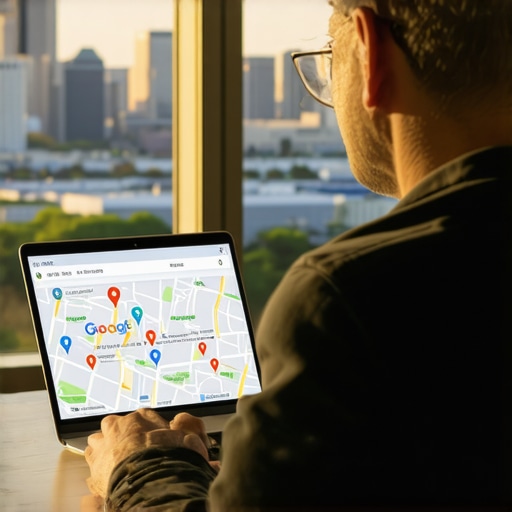
Sometimes, business owners underestimate the importance of detailed profile optimization. Many skip essentials like updated categories, services, or accurate NAP data, which can negatively influence your visibility. Remember, consistency across all your local listings acts as social proof and boosts your authority. For step-by-step guidance, visit this comprehensive local marketing guide.
What Mistakes Do Even Advanced Marketers Make Without Realizing?
One of the subtle traps is neglecting the evolving nature of Google’s algorithms and ranking factors. Many rely solely on static tactics like keyword stuffing or outdated citation building while ignoring AI-driven signals and user engagement metrics. As Google integrates more AI, factors like review sentiment analysis and behavioral signals become more influential. Staying ahead requires continuous monitoring and adapting your local marketing strategies accordingly. For instance, leveraging Maps ranking tips nowadays involves optimizing for voice searches and zero-click intents, not just traditional SEO techniques.
Beware of the trap of overemphasizing review quantity over quality. While numerous positive reviews help, Google prioritizes review authenticity and relevance. Fake or incentivized reviews can backfire, leading to penalties or profile suspensions. Always aim for genuine customer feedback, and respond actively to reviews to demonstrate engagement. For strategies on managing reviews effectively, check this review management guide.
In the end, understanding the hidden nuances of local SEO and Google Maps ranking means staying updated and avoiding complacency. The landscape shifts rapidly, especially with AI advancements, so continuous learning is key. Have you ever fallen into this trap? Let me know in the comments and share your experiences—they might help others navigate these complex waters.
Maintaining a strong presence on Google Maps in Houston requires the right tools and consistent effort. I personally rely on a combination of data-driven software and routine manual checks to keep my local SEO optimized for long-term success. For instance, I use BrightLocal’s Local Search Rank Checker because it allows me to monitor my Google Business Profile rankings across Houston and identify fluctuations early. This tool provides detailed insights into how my profile performs in specific neighborhoods, enabling targeted adjustments. Additionally, Google Search Console is indispensable for tracking organic and local search performance, revealing which keywords and queries are driving traffic and calls—something I check weekly. Manual review audits are equally crucial; I utilize Google’s My Business dashboard to respond to reviews actively and ensure my NAP data remains consistent across all citations. This multi-pronged approach ensures I stay ahead despite Houston’s competitive local landscape. Moving forward, I predict that integrating AI-driven analytics will become standard, helping small businesses anticipate ranking changes before they happen. To stay ahead, I recommend mastering tools like BrightLocal for ongoing rank tracking and combining them with manual audits for comprehensive insights. How do I maintain my Houston maps ranking over time? The key is regular monitoring and swift action based on real data. If you’re serious about scaling your local visibility, start by investing in a reliable rank checker and commit to weekly review audits. Don’t forget, consistent engagement with reviews and citations plays a vital role; you can learn more about effective citation management in this resource. Give these strategies a try today, and watch your Houston business climb the local rankings.
The Hard Truths I Wish I Knew From the Start
Early in my journey, I underestimated the power of niche optimization within Houston’s competitive landscape. Focusing solely on broad keywords and generic listings was my first mistake—it didn’t cut through the noise. It took real-world trial and error to realize that hyper-targeted keywords and community-centric content truly move the needle. That lightbulb moment taught me that relevance and proximity must be paired with genuine engagement, not just technical tweaks.
Another lesson was the importance of continuous monitoring. I used to set my profile and forget it, thinking initial optimization was enough. But the digital landscape shifts rapidly, especially with AI’s influence on rankings. Regular reviews of your Google Business Profile, citations, and reviews are essential. I learned that quick insights from tools like BrightLocal and Google Search Console provided me with the agility to adapt—saving my rankings and increasing traffic when it mattered most.
Finally, I discovered that authentic customer interactions outweigh flashy ads or signage. Responding promptly to reviews, encouraging genuine feedback, and fostering community connections built trust—not just with customers but also with Google’s algorithms. These lessons, though simple in hindsight, formed the backbone of my success in Houston’s local markets and can do the same for you.
My Go-To Arsenal for Owning Houston’s Map Rankings
- BrightLocal: I rely on this for precise rank tracking across neighborhoods and to identify fluctuations early, ensuring I stay ahead in Houston’s diverse areas.
- Google Search Console: For real-time insights into search queries and behavior, this tool helps me adjust my strategy based on actual user intent and trending keywords.
- Yext: Maintaining NAP consistency across multiple directories is effortless with Yext’s centralized management, preventing confusing discrepancies that harm rankings.
- Manual Audits & Community Engagement: Nothing beats hands-on reviews of listings and active participation in the Houston local scene—it’s the secret sauce that algorithms can’t replicate.
These tools and methods form a robust foundation, but staying ahead of 2026’s AI-driven search changes requires ongoing learning. Dive into updating your Houston SEO game regularly to adapt to new ranking factors and stay on top.
Your Next Step Toward Dominance
If you’re serious about elevating your Houston local presence, remember that consistent effort, authentic engagement, and strategic use of powerful tools are your best allies. Don’t let your business get lost in the digital shuffle—take action now. The map rankings won’t wait, and neither should you.
What’s been your biggest challenge in improving your Houston Google Maps visibility? Share your story below—I’d love to hear how you’re tackling the local SEO game!
One Response
This post hits home for me. I’ve been working on optimizing my business’s Google Maps profile, and I’ve seen firsthand how small tweaks can make a big difference. Uploading high-quality, localized photos really does help attract more local customers—something I learned when I added new images during a slow period, and I noticed an immediate uptick in inquiries. Also, I agree that maintaining consistency with NAP data across all directories isn’t just a tedious task but a vital one for ranking. I’ve been using Yext to streamline that process, and it’s saved me a lot of headaches.
One thing I wonder—how often do others update their Google Business profiles? I’ve heard that frequent updates and active engagement can significantly boost rankings, but I’m curious if there’s a sweet spot for posting without overdoing it. Would love to hear what’s working for others in Houston or similar markets. Personal experience or tools recommendations are appreciated!