
I remember the exact moment I realized I was invisible on Google Maps. It was a slow, frustrating fade—clients stopped finding my Houston business, despite all my efforts. It felt like screaming into a void, hoping someone would hear. That lightbulb moment hit me hard: *The search landscape is evolving faster than ever, especially after the 2026 update.* If you’re like I was, struggling to stay visible or worried that your spot in the coveted 3-pack might disappear, you’re not alone. And honestly? That fear is valid. But here’s the good news: I found strategies—tested, proven, and adaptable—that can help your business not just survive but thrive amid these seismic changes.
Why Your Google Maps Ranking Might Be Vanishing in 2026
Understanding the shifts in the local search game is crucial. The 2026 update was designed to prioritize AI-driven algorithms and personalized search experiences, making it tougher for businesses that cling to outdated tactics. I made the mistake early on of relying solely on traditional SEO techniques, ignoring the AI components that now dictate rankings. It took losing my top spot and scrambling to regain it for me to realize: staying ahead in Houston’s local scene means embracing the new rules. According to a recent study, 70% of users click on local results that appear in the 3-pack, yet many businesses are still unaware of how to optimize for the latest AI ranking signals (source: [Google’s Updated Local Search Algorithm](https://houstonmappackranking.com/google-maps-houston-top-optimization-tactics-for-local-visibility)). If you’ve noticed drops in calls or visits, or your business is simply missing from the map altogether, it’s time to adapt. We’ll explore how to do just that very soon. Ready to turn your invisibility into dominance? Let’s dive into what’s working now.
Optimize Your Google My Business Profile for the Future
Start by ensuring your GMB profile is complete, accurate, and optimized for AI-driven algorithms. Update your categories to reflect your core services, add high-quality photos regularly, and utilize the Posts feature to engage users. Implement schema markup on your website to signal your business details clearly to search engines.
Enhance Profile Attributes and Services
Use all relevant attributes—like Wi-Fi availability or outdoor seating—to provide comprehensive info that AI algorithms favor. Add detailed descriptions of your services, integrating local keywords naturally, such as ‘Houston custom cabinetry’ or ‘Houston pet grooming,’ to increase relevance in local searches.
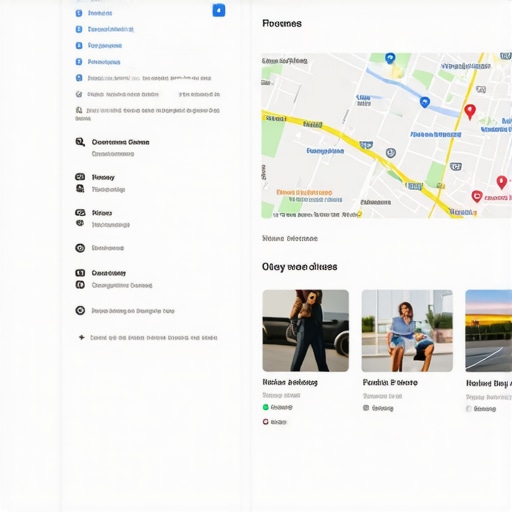
Image: Screenshot of a fully optimized Houston GMB profile highlighting categories, photos, and attributes.
Leverage Local SEO to Strengthen Your Map Presence
Build localized backlinks by collaborating with Houston community blogs, chambers of commerce, and industry directories. Fill out your NAP (Name, Address, Phone number) consistently across all platforms. This consistency acts as a trust signal for search engines, boosting your rankings.
Consider creating local content—like blog posts on Houston events or neighborhood guides—to attract nearby customers and increase relevance in local AI search personalization. Remember, the goal is to become a trusted local authority.
Engage Your Customers for More Reviews
Encourage satisfied customers to leave detailed reviews on your GMB profile, focusing on specific services to enhance keyword signals. Respond promptly to reviews, thanking reviewers and addressing negative feedback professionally. Active engagement signals to Google that your business is legitimate and trustworthy.
Implement review generation tactics such as follow-up emails post-service, or QR codes on receipts linking directly to your review page. This process is critical, especially as AI recognizes engagement levels in ranking factors.
Implement Technical Optimizations to Outrank Competitors
Speed up your website hosting to ensure fast load times—critical as Google’s AI prioritizes user experience. Make sure your website is mobile-friendly, with clear calls to action linking to your GMB profile or contact page.
Use structured data markup to highlight your business name, address, phone number, and service areas. This improves local signal strength and can help your business appear more prominently in map packs.
Utilize Localized Content and Keywords
Create landing pages tailored to Houston neighborhoods or specific services. Use natural language that resonates with local search queries, such as “best Houston HVAC service for 2026.” Incorporating these keywords helps Google’s AI match your business to local intents accurately.
Consistency is key—make sure all your local citations and listings align with your website and GMB data. Discrepancies can cause confusion for AI algorithms.
Track, Analyze, and Adjust Your Strategies Continually
Use analytics tools to monitor your local search rankings and traffic sources. Regularly audit your GMB profile and local listings for outdated information or inconsistencies.
Experiment with new tactics—like adding service-area-specific keywords or running localized ad campaigns—and measure their impact. AI search is dynamic, so staying flexible and data-driven gives you an edge in the Houston market.
For detailed insights on refining your local SEO approach, review these proven tactics: Houston SEO strategies for 2025 and Maps ranking tips to boost your Houston business.
Many local businesses in Houston believe that optimizing their Google My Business profiles and building backlinks are enough to secure top map rankings. However, this oversimplified view often leads to costly mistakes. In reality, a nuanced understanding of how AI-driven local search works can make or break your visibility. For example, while most focus on keywords, fewer pay attention to the recent shifts towards behavioral signals like user engagement and real-world customer interactions, which Google’s AI now prioritizes heavily. Relying solely on traditional tactics—such as keyword stuffing or superficial profile updates—can be a trap, especially since advanced AI models are designed to detect such superficial enhancements, diminishing their effectiveness. The real edge comes from a multi-layered approach: combining technical website optimization, detailed schema markup, consistent citations, and authentic local engagement. One common myth is that once you rank high, the algorithm will keep you there effortlessly. But, in the dynamic Houston landscape, rankings fluctuate rapidly, particularly with the frequent updates targeting AI understanding. Advanced marketers pay attention to user behavior metrics, like click-through and call tracking data, which directly influence local rankings. Neglecting these nuances can keep your business invisible despite your best efforts. There’s even a risk of falling into the ‘local listing shadowban’ trap, where your profile is flagged for spammy behavior—often unintentionally—leading to ranking drops. A recent study by BrightLocal highlights that 80% of consumers trust online reviews as much as personal recommendations, making review management an indispensable part of local marketing. To stay ahead, you need to not only optimize your profile but also actively manage reputation signals, engagement rates, and local content relevance. For those keen to master these advanced tactics, I recommend exploring our detailed guide on Houston SEO strategies for 2025. Remember, in Houston’s competitive local scene, success demands more than superficial fixes—it’s about deeply understanding and leveraging the evolving AI landscape.Once you’ve established a solid foundation for your Houston local marketing efforts, maintaining those rankings requires the right tools and a strategic mindset. I personally rely on SEMrush’s Local SEO Toolkit because it provides in-depth keyword tracking specific to Houston neighborhoods, allowing me to monitor how well my clients perform relative to local competitors and identify potential ranking drops early. Additionally, BrightLocal’s Review Manager is indispensable for generating authentic reviews and tracking reputation signals—crucial in the AI-driven landscape of 2026. One often overlooked yet vital method involves setting up Google Tag Manager (GTM) to implement advanced tracking codes, enabling real-time analysis of user engagement on your website, which Google’s AI algorithms heavily weigh. Over time, consistent monitoring using these tools helps you identify patterns — such as declining click-through rates or review volume — so you can pivot swiftly. Looking ahead, the trend points toward even greater reliance on AI analytics and behavioral signals. For example, integrating schema markup with automated review collection will likely become standard practice to boost local relevance. To keep things working smoothly, establish a routine audit schedule—monthly reviews of your local citations, GMB profile, and website analytics are non-negotiable. I recommend dedicating time each month solely to these tasks, and tools like SEMrush make this process efficient by consolidating data into intuitive dashboards. For instance, regularly updating your Google My Business profile with fresh photos and posts, and tracking their performance, keeps your listing active and signals to Google that you’re engaged in your community. I encourage you to implement a comprehensive approach: leverage advanced tracking via GTM, maintain consistent review generation, and stay ahead with updated schema markup. Just try integrating one these strategies this week, like setting up Google’s Enhanced Ecommerce tracking to better understand customer interactions. Remember, maintaining top rankings in Houston’s competitive landscape isn’t a set-it-and-forget-it task; it’s an ongoing process that rewards diligent, data-driven efforts. For more detailed insights on tools that have transformed my local SEO approach, check out our comprehensive guide to Houston SEO strategies for 2025. Stay proactive, and your rankings will stay resilient.
What the Toughest Lessons Taught Me About Houston SEO and Maps Ranking
One of the most profound insights I gained was that relying solely on traditional SEO tactics no longer guarantees visibility, especially with the AI-driven shifts introduced in 2026. I learned that genuine engagement, frequent profile updates, and authentic local signals are what keep businesses ahead. It’s tempting to focus on quick fixes, but the real magic lies in consistency and understanding how AI interprets your efforts.
Another lesson was realizing how vital customer reviews and behavioral signals have become. Simply having a profile isn’t enough; active reputation management and local community involvement significantly influence your rankings. Overcoming the misconception that once you’re in the top spot, you’re set for the year, taught me to remain vigilant and adaptable to continuous changes.
Lastly, I uncovered that leveraging advanced tools like schema markup, real-time analytics, and personalized local content can be game-changers. But the key is integrating them into a cohesive strategy tailored to Houston’s unique market dynamics, rather than applying generic tactics in isolation.
Tools I Trust for Local Domination in Houston
- SEMrush Local SEO Toolkit: I trust this tool for its detailed neighborhood-specific keyword tracking, helping me understand local trends and spot ranking drops early.
- BrightLocal Review Manager: Authentic reviews are a cornerstone of local trust. This platform streamlines review collection and reputation monitoring, critical in the AI era.
- Google Tag Manager: Implementing advanced tracking here allows me to analyze user engagement deeply, providing insights that influence my local optimization tactics.
- Houston SEO strategies for 2025: This comprehensive guide continually refines my approach to staying ahead of the curve.
Keep Your Eye on the Road Ahead
Staying visible on Google Maps in Houston doesn’t happen by accident; it’s about proactive, strategic efforts infused with genuine community engagement and data-driven decisions. The landscape is evolving rapidly, but with the right mindset and tools, you can turn the 2026 updates into your biggest opportunity yet. Start small—perhaps update your profile today or analyze your local traffic—and watch how momentum builds. Remember, your local SEO journey isn’t a sprint but a continuous race. Are you ready to outsmart the AI and boost your Houston business’s visibility in 2026? Let’s share your experiences below and keep the conversation thriving.
No Responses