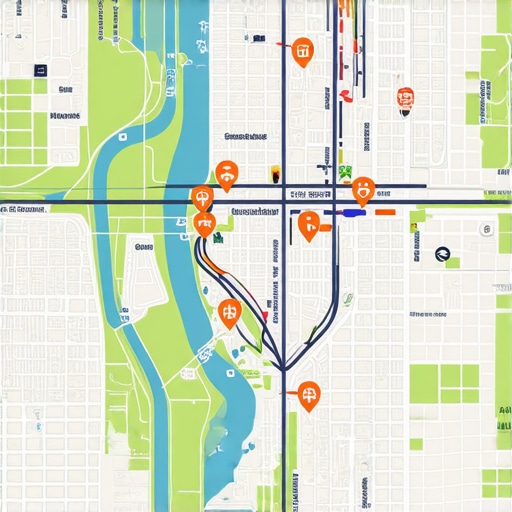
My Journey into Mastering Houston’s Maps Rankings
When I first started exploring local SEO for my Houston-based business, I found myself overwhelmed by the sheer number of strategies out there. I remember spending countless hours tinkering with Google My Business and trying to understand how to get my business to appear in the coveted local 3-pack. That initial struggle transformed into a passion as I began to see real results after applying some proven tips, which I now want to share with you.
Why Local Maps Rankings Matter for Houston Businesses
Living and working in Houston, I quickly realized that appearing at the top of Google Maps can significantly boost visibility. Customers often search for nearby services, and if your business isn’t showing up, you’re missing out on valuable local traffic. According to Moz’s authoritative guide, local rankings are crucial for attracting nearby clients and increasing in-store visits.
My Personal Map Optimization Routine: What Works in Houston
One of the most impactful tactics I’ve adopted is ensuring my Google My Business profile is fully optimized. This includes consistent NAP (Name, Address, Phone Number), high-quality photos, and engaging posts. Additionally, I discovered that leveraging local keywords like “Houston plumber” or “Houston catering” in my descriptions helped me rank higher for local searches. Interestingly, I found that regularly updating my profile and responding to reviews also played a vital role in maintaining my visibility.
How Do I Stay Ahead in Houston’s Competitive Map Rankings?
Staying ahead requires continuous effort. I regularly conduct competitor analysis by checking who ranks in my niche and studying their profiles. I also make sure to gather positive reviews from satisfied customers—reviews are game-changers in local SEO. For more advanced tactic, I explored top optimization tactics that helped me improve my local pack rankings further.
Is It Truly Possible to Dominate Houston’s Local Search Results?
Absolutely! With consistent effort and strategic optimization, I managed to secure top spots on Google Maps, which translated into increased calls and bookings. I recommend exploring dedicated resources like these detailed tactics for a comprehensive approach.
If you’re serious about growing your local presence, I encourage you to implement these tips and share your progress. Your experiences might inspire fellow Houston entrepreneurs to elevate their local SEO game!
How Can Local SEO Tactics Be Customized for Houston’s Unique Market Dynamics?
Houston’s diverse economy and vibrant local scene demand tailored SEO strategies that resonate with the city’s unique audience. For instance, integrating neighborhood-specific keywords like “Houston Heights” or “Museum District” can significantly enhance local relevance. Additionally, leveraging local events and community involvement in your content can foster trust and engagement, boosting your rankings. According to Moz’s authoritative guide, understanding local consumer behavior is crucial for effective optimization.
What Are the Hidden SEO Opportunities in Houston’s Niche Markets?
Focusing on niche markets, such as eco-friendly services or Houston’s growing tech sector, presents untapped opportunities for local SEO. Creating specialized content, like blog posts or service pages targeting these niches, can attract highly relevant local traffic. For example, a Houston-based solar panel installation company might optimize for “Houston solar energy solutions” and related long-tail keywords. This strategy not only improves visibility but also positions your business as a local authority in emerging sectors. Explore maps ranking tips to discover how niche targeting influences local pack dominance.
Are There Advanced Techniques to Outrank Local Competitors Consistently?
Absolutely. Beyond standard optimization, employing schema markup and localized content personalization can give you a competitive edge. Schema markup enhances your business listing with rich snippets, making it more attractive in search results. Personalized content, such as Houston-specific testimonials or case studies, builds local trust and relevance. Regularly monitoring competitor profiles and adapting your strategy is vital; tools like these SEO strategies can guide your efforts. Remember, consistency and data-driven adjustments are key to maintaining top rankings in Houston’s competitive local landscape.
If you’re eager to deepen your understanding, I recommend reviewing top optimization tips for 2024. Sharing your progress and challenges in the comments can also help build community insights and innovative solutions tailored to Houston’s dynamic market.
Embracing the Complexity of Houston’s Local SEO Landscape
Over the years, my journey into Houston’s local SEO scene has revealed that it’s not just about ticking boxes or following generic tactics. Houston’s diverse neighborhoods, ranging from the historic charm of Heights to the bustling energy of Downtown, require a nuanced approach that respects local culture and community dynamics. I’ve learned that understanding the unique pulse of each neighborhood can make or break your Google Maps ranking. Engaging with local events, sponsoring community activities, and featuring neighborhood-specific content on your website can significantly boost your relevance in local searches. This depth of engagement, combined with technical optimization, creates a compelling local presence that Google’s algorithms recognize and reward. For those interested in deepening their understanding, exploring advanced SEO strategies tailored for Houston can provide a competitive edge.
The Nuances of Niche Targeting in Houston’s Market
One aspect I wish I had grasped earlier is the power of niche marketing within Houston’s expansive economic sectors. Whether it’s eco-friendly services, Houston’s vibrant arts scene, or the rapidly growing tech industry, niche targeting can position your business as a local authority. Creating specialized content that addresses specific needs—like blog posts on sustainable building practices in Houston or case studies on local tech startups—can attract highly engaged, relevant traffic. I found that long-tail keywords such as “Houston eco-friendly landscaping” or “Houston tech startup consulting” often outperform broader terms in local rankings. To explore more about niche mapping strategies, I recommend reviewing maps ranking tips. This approach not only improves visibility but also builds trust within targeted communities.
Can Advanced Schema Markup and Personalization Sustain Top Rankings?
In my experience, employing advanced schema markup and personalized content truly elevates your local SEO game. Schema markup helps search engines better understand your business details, enabling rich snippets that stand out in search results. Meanwhile, personalized content—such as Houston-specific testimonials, case studies, or event participation—creates a sense of authenticity and trust. I recall implementing schema for my business and seeing an immediate boost in click-through rates. Consistently monitoring competitor profiles and adjusting your schema and content strategies ensures you stay ahead. According to top optimization tips, these techniques are vital for maintaining dominance in Houston’s competitive landscape. Regularly updating your schema and content keeps your listing fresh and relevant.
What Are the Hidden Opportunities in Houston’s Emerging Niche Markets?
One of the most exciting realizations has been discovering hidden opportunities within emerging niches like renewable energy and Houston’s expanding healthcare sector. Creating tailored content and service pages focused on these niches can position your business as a pioneer. For example, a Houston-based solar installer might target long-tail keywords like “Houston solar panel installation for businesses”. These niches often have less competition and more local intent, making it easier to rank highly. To uncover more of these opportunities, I suggest exploring niche-focused strategies. These insights can unlock new avenues for growth and visibility in Houston’s dynamic market.
Engaging with the Community for Sustainable SEO Success
Ultimately, my most valuable lesson has been that success in Houston’s local SEO isn’t just about algorithms; it’s about community engagement. Building genuine relationships, participating in local events, and showcasing community involvement in your content fosters trust and loyalty. This authenticity resonates with both users and Google, leading to sustained top rankings. I encourage you to share your experiences or ask questions in the comments—learning from fellow Houston entrepreneurs has been an invaluable part of my journey. For more personalized guidance, don’t hesitate to reach out through our contact page. Let’s continue to explore, adapt, and succeed together in Houston’s vibrant local SEO landscape.
Harnessing Data-Driven Insights to Refine Your Houston Local SEO Approach
One of the pivotal lessons I’ve learned in my journey is the importance of leveraging comprehensive analytics to tailor my SEO strategies specifically for Houston’s diverse neighborhoods. Utilizing tools like Moz’s local search insights has been instrumental in understanding consumer behavior patterns and search intent variations across different Houston communities. By analyzing metrics such as click-through rates, review sentiment, and user engagement, I can identify which areas require targeted optimization efforts and which keywords resonate most with local audiences.
For instance, I discovered that neighborhoods like The Heights and Montrose respond favorably to content emphasizing cultural events and community involvement. Integrating these insights into my content calendar and local promotions has markedly improved my rankings and customer engagement. This data-centric approach not only fine-tunes my existing tactics but also uncovers new opportunities for niche market dominance, such as eco-friendly initiatives or Houston’s burgeoning tech scene.
Implementing Hyper-Localized Schema Markup for Competitive Edge
Advanced schema markup implementation has become a game-changer in my strategy. Beyond basic business details, I now utilize localized schemas that incorporate neighborhood-specific information, events, and service offerings. Rich snippets generated through meticulous schema markup enhance visibility and credibility in local searches. For example, adding event schema for Houston’s popular festivals or community workshops can attract targeted traffic actively seeking local experiences.
According to industry-leading insights, the combination of schema markup and personalized content significantly boosts the likelihood of appearing in the coveted local 3-pack. Regularly auditing and updating your schema ensures your listings remain relevant and competitive amidst Houston’s dynamic market landscape.
Engaging with Local Influencers and Community Leaders for Authentic Outreach
Building genuine relationships with Houston’s local influencers and community leaders has proven invaluable. These alliances facilitate authentic content creation, such as collaborative events or testimonials, which resonate deeply with local audiences and foster trust. I’ve found that when influential community figures endorse your business, it amplifies your local authority and encourages organic reviews and backlinks.
Participating in local charity events and sponsoring neighborhood initiatives not only enhances brand visibility but also aligns your business with Houston’s vibrant community spirit. This authentic engagement strategy complements technical SEO efforts and creates a holistic approach to sustained top rankings. To optimize these efforts, I recommend exploring advanced community engagement tactics.
Are There Emerging Niche Markets in Houston That Can Propel Your Business Forward?
Absolutely. Houston’s rapid growth in sectors like renewable energy, healthcare, and technology presents lucrative opportunities. Creating highly specialized content tailored to these niches—such as case studies on local solar panel projects or expert guides on Houston’s healthcare innovations—can establish your authority and attract high-intent local traffic. Long-tail keywords like “Houston solar energy solutions” or “Houston healthcare IT services” often outperform broader terms, especially when supported by targeted local backlinks and community involvement.
To uncover these hidden gems, I advise exploring niche-specific mapping strategies. This approach not only elevates your visibility but also positions your brand as a leader in emerging Houston industries, ensuring sustainable growth and market relevance.
How Can Continuous Optimization and Community Feedback Sustain Long-Term Success?
The key to maintaining top rankings in Houston is a relentless cycle of optimization fueled by community feedback. Regularly soliciting reviews, monitoring competitor strategies, and adapting to market shifts are essential. I’ve adopted a practice of monthly performance audits and engaging with customer feedback directly—transforming insights into actionable improvements. Furthermore, integrating local event participation and community-driven content keeps my brand relevant and trusted.
For those eager to deepen their mastery, I recommend reviewing future-focused SEO strategies that emphasize adaptability and community engagement. Sharing your experiences and challenges can foster valuable peer insights, creating a vibrant ecosystem of continuous learning and success in Houston’s competitive local landscape.
Things I Wish I Knew Earlier (or You Might Find Surprising)
1. The Power of Neighborhood-Specific Content
Early in my journey, I underestimated how crucial tailoring content to Houston’s diverse neighborhoods could be. Learning to incorporate local landmarks and community events into my profile and website made a noticeable difference in my rankings, showing me that local relevance truly matters.
2. That Reviews Are More Than Just Social Proof
Initially, I saw reviews as a nice addition. Over time, I realized they are a core ranking factor. Encouraging satisfied clients to leave detailed reviews has been one of my most effective strategies, reinforcing the importance of community trust in local SEO.
3. The Value of Rich Snippets and Schema Markup
Implementing schema markup seemed complicated at first, but once I mastered it, I saw a boost in visibility through rich snippets. This technical detail can set you apart in competitive Houston markets, making your listing more attractive in search results.
4. Consistency Is Key
I used to update my profile sporadically. Now, I schedule regular profile audits and content updates, which keeps my listing fresh and signals activity to Google. This consistency has been essential in maintaining top spots.
5. Community Engagement Enhances SEO
Participating in local events and sponsoring neighborhood initiatives has helped me build authentic backlinks and trust. It’s a reminder that genuine community involvement can be a powerful SEO tool.
Resources I’ve Come to Trust Over Time
- Moz’s Local Search Guide: This resource deepened my understanding of local SEO fundamentals, especially how local rankings work. I recommend it to anyone serious about mastering Houston’s map rankings.
- Google’s Business Help Center: The official support from Google is invaluable. It’s where I learned about the latest updates and best practices for Google My Business optimization.
- BrightLocal Blog: Their case studies and tips have provided actionable insights that I could implement immediately, making my efforts more effective.
- Neil Patel’s Blog: Neil’s approachable explanations on SEO tactics helped me grasp complex concepts and adapt them to Houston’s unique market.
Parting Thoughts from My Perspective
Mastering Houston’s map rankings has been a rewarding journey that combines technical SEO, local community engagement, and continuous learning. The most valuable lesson I’ve learned is that success comes from a holistic approach—balancing strategic optimization with authentic community involvement. If you’re committed to growing your local presence, remember to leverage the resources I trust and stay adaptable to Houston’s ever-changing market. If this resonated with you, I’d love to hear your thoughts—feel free to share your experiences or ask questions in the comments. Together, we can elevate our local businesses and make a real impact in Houston’s vibrant landscape.
2 Responses
Reading through this post really resonated with my own experiences starting out in local SEO here in Houston. The importance of consistent updates and community involvement can’t be overstated — I’ve seen firsthand how neighborhood-specific content and active review management can propel your business to the top of local searches. One challenge I struggled with initially was balancing technical SEO tactics like schema markup with authentic community outreach, but blending both strategies has really made a difference. I especially appreciated the emphasis on local niches; in Houston’s diverse markets, targeting unique sectors like healthcare or energy can open up less competitive, high-value opportunities. Has anyone here experimented with localized schema or neighborhood-specific promotions? I’d love to hear what’s worked best for others trying to stand out in Houston’s crowded local landscape.
This post really hits close to home. When I first started focusing on Houston’s local SEO, the sheer variety of strategies was overwhelming. Like the author, I found that consistently optimizing my Google My Business profile, especially with neighborhood-specific keywords, made a noticeable difference in visibility. Responding actively to reviews and updating posts regularly also kept my listing fresh and engaging for potential clients.
One challenge I’ve faced is balancing technical optimizations, like schema markup and local keywords, with authentic community engagement. I agree that genuine participation in local events or sponsoring neighborhood initiatives can create valuable backlinks and improve trust. Curious to hear if others have experimented with hyper-local schema or community-driven content, and what results they’ve seen. Do you think focusing on certain Houston neighborhoods has a higher ROI, or should we aim for broader city-wide strategies? I’d love to learn from others’ experiences.