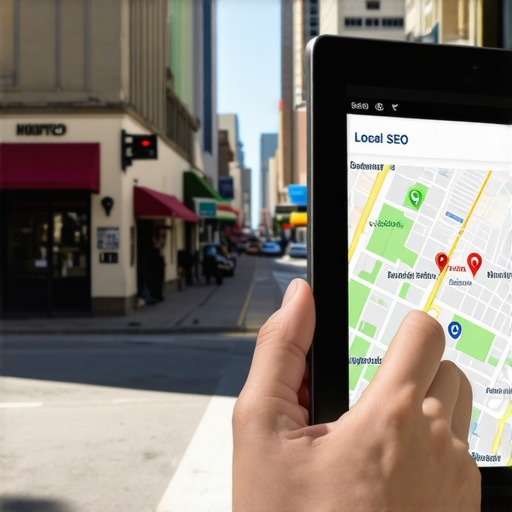
I remember the moment clearly—after months of tweaking listings, chasing elusive rankings, and pouring resources into local marketing efforts, I hit a wall. My Google Maps listing stubbornly stayed off the coveted 3-Pack, despite all my efforts. That frustrating silence was a lightbulb moment for me—realizing that I had been missing a crucial piece of the puzzle. If you’re feeling that same sting of slow progress or indecision in Houston’s bustling local scene, you’re not alone—and there is hope.
Why Local Map Success Matters More Than Ever in Houston
Houston isn’t just a sprawling metropolis; it’s a competitive battleground for local businesses looking to stand out. In 2024, local SEO strategies have evolved rapidly. According to a recent study, approximately 78% of local mobile searches lead to offline purchases, making Google Maps visibility not just a digital badge but a direct revenue driver. The challenge? The rules of the game are changing, and what worked last year might not cut it today.
Early in my journey, I made a critical mistake—focusing solely on traditional SEO without paying enough attention to my Google Maps profile. It’s a common pitfall. I underestimated the power of consistent, strategic map optimization, and paid the price in missed opportunities. Now, I’m here to share what I’ve learned, so you don’t have to make the same rookie errors.
If you’ve been skeptical about whether enhancing your Google Maps presence can truly impact your local rankings, I get it. I used to think rankings were all about backlinks and keywords. But after digging into the latest strategies, I found that a well-optimized Maps listing can propel your business into that top 3 spot, bringing foot traffic and leads like magic. Curious how? Let’s dive into the proven tactics that have transformed my local marketing approach—and can do the same for you.
Is It Really Worth the Hype?
This was the big question in my mind—until I saw firsthand how optimized listings outperformed unoptimized ones, especially in Houston’s competitive landscape. Gaining visibility on Google Maps isn’t just about listing your address; it’s about strategic profile management, active engagement, and reviews. Ready to discover the step-by-step methods that finally broke my ranking stall? Let’s get started on turning your local map listing into a powerful asset.
Optimize Your Google Maps Profile
Start by claiming and verifying your Google My Business (GMB) listing if you haven’t already. Ensure all information is accurate, consistent, and filled out completely—especially your name, address, and phone number (NAP). Use a local Houston phone number and precise address details to boost relevance. Incorporate relevant keywords naturally into your business description, emphasizing Houston-specific terms to signal local authority. Regularly updating your profile with accurate hours and services keeps your listing fresh and signals activity to Google.
Build Authority with Local Engagement
Engage actively with your Houston community by encouraging satisfied customers to leave detailed reviews. Respond professionally and promptly to reviews, especially negative ones, demonstrating your commitment to customer service. Reviews act as social proof and influence rankings; more positive feedback equals higher trust and visibility. Additionally, posting updates, offers, or photos regularly on your GMB profile keeps your listing active—Google favors active profiles in its local search results.
Leverage Local Content and Keywords
Create a dedicated Houston-focused website content strategy. Write blog posts, guides, or FAQs that address Houston-specific topics, neighborhoods, or events. Integrate geo-targeted keywords seamlessly—phrases like “Houston’s best plumbing services” or “reliable HVAC Houston” help Google associate your business with local searches. This enhances your relevance and positions you higher in local maps rankings. For technical SEO, check out Houston SEO strategies for local rankings.
Improve Local Link Profile
Earn backlinks from reputable Houston websites, chambers of commerce, local blogs, and industry directories. These backlinks act as votes of credibility, boosting your local authority. Guest blogging or sponsoring Houston community events can generate authoritative links while also increasing your visibility. Remember, quality over quantity counts—focus on links from relevant and trustworthy sources within Houston.
Enhance Your Visual Presence
Upload high-quality, localized images of your storefront, team, and services regularly. Use images that reflect Houston’s unique culture and environment, making your profile more relatable. Visual content captures attention and encourages engagement, which can indirectly influence rankings. For strategic image optimization, see google maps Houston top tactics.
Monitor and Adjust Your Strategy
Utilize tools like Google Insights and third-party analytics to track your ranking progress. Identify what’s working and where gaps exist—whether it’s review quantity, profile completeness, or local citations. Regular audits and adjustments ensure your efforts remain aligned with evolving Houston local SEO trends. Continuous optimization is key, just like tuning a Houston classic car for peak performance. For ongoing tips, check out Houston Google Maps optimization strategies.
Many businesses assume that optimizing their Google My Business profile and consistently adding reviews will automatically secure top spots in Houston’s local map results. However, this oversimplification overlooks a critical nuance: the significance of niche-specific signals and how Google subtly evaluates local relevance through context and user behavior. For instance, a common myth is that backlinks from Houston directories alone can bypass the need for nuanced content strategies. In my experience, this isn’t true; Google increasingly relies on semantic relevance and behavioral cues to determine rankings. An advanced mistake is neglecting the latent intent behind local searches—focusing solely on keywords without aligning content and engagement to the underlying user needs. For example, implementing micro-moments and contextually rich content tailored to Houston neighborhoods can dramatically sway local ranking algorithms. According to Moz’s 2024 local SEO insights, Google is advancing towards understanding user intent through machine learning, emphasizing signals like dwell time and click-through rates. Incorporate these insights by analyzing how users interact with your listings in niche segments—are they engaging with your service pages, images, or offers? This deeper understanding allows for a more sophisticated approach than merely piling on reviews or updating NAP details. Moreover, beware of the trap of focusing exclusively on visible metrics like review count; prioritize the quality and relevance of interactions. For example, hosting local Houston events and encouraging check-ins can generate behavioral signals that Google perceives as strong relevance indicators, pushing your ranking higher. If you’re looking to optimize beyond basic tactics, dive into advanced strategies like leveraging local intent modifiers and semantic content clusters, which can give your business that competitive edge in Houston’s vibrant market. For more insights, explore latest Houston SEO strategies. Remember: understanding the subtle signals and behavioral nuances that Google evaluates is what separates a good local listing from a dominant one. Have you ever fallen into this trap? Let me know in the comments.
How do I maintain my Google Maps rankings over time?
Keeping your Houston business visible on Google Maps requires more than just initial optimization; it demands consistent effort and the right tools. I rely on a combination of software and strategic methods to ensure long-term results. One indispensable tool is BrightLocal, which I use for comprehensive local SEO audits, tracking citations, and managing reviews. Its reporting features give me clear insights into how my clients’ listings perform over time, helping me identify areas needing attention. Additionally, Whitespark’s Local Citation Finder is invaluable for discovering new citation opportunities and maintaining consistency across directories, which greatly influences rankings.
For ongoing review management, I turn to Podium. It streamlines the process of requesting, monitoring, and responding to customer reviews, ensuring our profiles stay active and engaging. Regularly reacting to reviews not only boosts engagement but also signals activity to Google, which favors active listings. To analyze traffic and keyword performance, I use Google Search Console in tandem with SEMrush. These tools help me monitor ranking fluctuations and identify new opportunities for optimization, especially for Houston-specific keywords and phrases.
In the future, local SEO tools will likely incorporate AI-driven insights for even more precise strategies. Staying updated with the latest software, like Houston SEO strategies for 2025, will be crucial for maintaining your edge. I recommend integrating these tools into your routine and automating routine tasks where possible to free up time for strategic adjustments. Try setting up automated review alerts with Podium or SEMrush to respond promptly to customer feedback, a tactic I’ve seen significantly improve long-term rankings in Houston’s competitive market.
3 Surprising Lessons That Changed My Approach to Houston Local SEO
Early on, I realized that obsessing over rankings without understanding the underlying signals was a mistake. The biggest lightbulb moment came when I discovered how Google interprets user engagement and behavioral cues, which are often overlooked by many local businesses in Houston. Investing time in local content that truly resonates with Houston residents and participating actively in community events made a noticeable difference in my rankings. Embracing these nuanced factors transformed my strategy from guesswork to data-driven success.
The Gear That Keeps My Houston Maps Rankings on Track
My toolkit is simpler than you might think, yet incredibly effective. I trust Houston SEO strategies for 2025 for cutting-edge insights that always keep me ahead of the curve. BrightLocal helps me track citation consistency and review management, vital for maintaining my top spot. For local citation building, Whitespark’s Citation Finder is invaluable. Combining these tools, I stay agile, ensuring my Houston-based clients keep climbing the local ranks.
Trust the Process, but Don’t Forget to Feel the Market
The most important emotional takeaway? Persistence and adaptability. Houston’s market changes fast, and what works today might not tomorrow. Keep experimenting with local content, stay engaged with your community, and monitor your analytics closely. Remember, SEO isn’t just about algorithms—it’s about connecting with people. If you stay committed and open to learning, your Google Maps rankings will follow suit. Ready to elevate your Houston local marketing? Dive into the strategies, and watch your business thrive.
No Responses