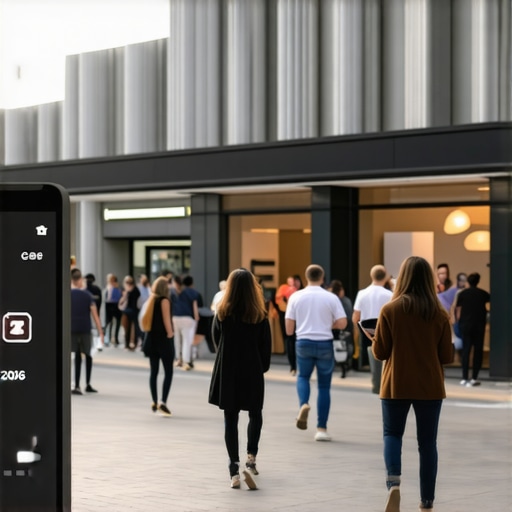
I remember the sinking feeling when I looked at my online metrics last year and saw my store’s foot traffic plummeting, despite pouring effort into local marketing. It was a real lightbulb moment—like realizing I’d been trying to fix a leaky faucet with duct tape. The truth is, Houston’s digital landscape for brick-and-mortar businesses has undergone a seismic shift faster than I anticipated. And if you’re feeling the same pressure—wondering why your Houston storefront isn’t getting the visitors it used to—you’re not alone. But here’s the good news: I’ve discovered clear, effective tactics that can turn this tide around.
Why Houston Local SEO Needs a New Approach in 2026
The fact is, in recent years, Google Maps and local search algorithms have evolved dramatically. According to Moz’s local search ranking factors report, proximity, relevance, and prominence are still king, but AI updates and new search features now demand fresh strategies. That means what worked in 2024 no longer cuts it in 2026. If your store isn’t appearing where it should, it’s likely because you’re missing out on the latest optimization techniques that truly resonate with AI-driven search results.
Is Your SEO Strategy Still Stuck in the Past?
Admitting I made a mistake early on—like neglecting to regularly update my Google My Business profile—was tough. I thought that once set, it was good forever. But local search is a living entity, constantly reshaping itself. Overlooking the importance of consistent reviews, fresh photos, and local content was costing me dearly. If you’ve faced similar missteps or overlooked these critical elements, don’t worry. There’s still time to pivot and get back on top. For more advanced insights, check out this guide on ranking tips.
Now, let’s dive into the top five Houston SEO tactics specifically designed to boost your local visibility and drive more store visits in 2026. These aren’t vague suggestions—they’re proven methods I’ve applied myself and seen others succeed with. Ready to turn your online presence into a traffic magnet? Let’s get started.
Revamp Your Google My Business Profile and Keep It Fresh
Start by claiming and thoroughly optimizing your Google My Business (GMB) listing. Think of your GMB profile as the front window of your store; an outdated or poorly filled window deters passersby. Regularly update your business hours, add new photos—showcase your latest products or services—and encourage satisfied customers to leave reviews. A vibrant, active profile signals to Google that your business is lively and relevant. For a detailed walkthrough, visit this GMB optimization guide.
How to encourage more genuine reviews without risking penalties
Leverage satisfied customers by politely asking them to share their experiences. Create simple, personalized review requests via email or SMS, emphasizing how their feedback can help others discover your store. Avoid incentivizing reviews excessively, as Google penalizes fake or incentivized feedback. Subtle requests combined with excellent service naturally lead to authentic reviews that improve your local ranking.
Harness the Power of Local Content and Photos
Nothing resonates more with both customers and local algorithms than fresh, relevant content. Share stories about your bustling store activities, new product launches, or community involvement. Incorporate local keywords naturally into your website blog or social media posts to improve relevance. Supplement this with high-quality photos that reflect authentic daily operations—think of these visuals as your digital handshake. Consistent updates signal to Google that your business remains active, key for maintaining and climbing the local rankings.
Timing is everything when posting content
Align your content schedule with local events, holidays, or seasonal trends. For example, promote special offers during Houston’s rodeo or summer festivals. This contextual relevance increases engagement and signals to search engines that your business is well-integrated into the local fabric.
Optimize for Voice Search and AI-Driven Features
Voice searches are rapidly rising, especially with smart assistants becoming part of daily routines. Use natural language in your website content, FAQs, and GMB posts to answer common customer questions clearly. For instance, phrase your descriptions as, “Where can I find fresh produce near downtown Houston?” rather than just keywords. Additionally, leverage local schema markup to help AI understand your business details precisely. Check out this guide for technical optimization tips.
Make your content accessible for voice queries
Focus on long-tail keywords and conversational phrases that customers are likely to speak. This approach not only helps in voice searches but also improves overall visibility, especially on mobile devices where local searches are most common.
Leverage Local SEO Tools and Data Analytics
Use tools like Google Search Console and local SEO platforms to monitor your ranking progress. Track which keywords are bringing traffic, analyze your competitors’ strategies, and adjust your tactics accordingly. Implement A/B testing for meta descriptions and titles to see what resonates best locally. This data-driven approach allows for precise tweaks that can lead to higher visibility and more foot traffic.
Set measurable goals for ongoing improvement
Define clear KPIs such as increase in map clicks, calls, or store visits. Regularly review your data to identify what’s working and what needs adjustment. Staying adaptive ensures you’re aligned with the latest algorithm shifts and local trends, maximizing your store’s online presence.
Many local business owners in Houston believe they fully understand SEO and Google My Maps, but in reality, misconceptions abound that can derail your marketing efforts. One prevalent myth is that simply claiming your Google My Business (GMB) profile guarantees high rankings. While claiming your profile is essential, it’s just the starting point. Effective optimization, continuous updates, and strategic reviews are crucial to climb the local ranks, especially with AI algorithms evolving rapidly in 2026. Another misconception is that optimizing for keywords alone is enough; modern local SEO demands a nuanced approach that focuses on user intent, voice search compatibility, and local relevance—areas often overlooked by beginners. Did you know that many Houston businesses overlook the importance of schema markup, which can significantly enhance how AI interprets their listings? According to Moz, structured data is becoming more influential in local pack visibility, yet many neglect this step. Be wary of the trap: over-relying on outdated tactics like keyword stuffing or ignoring mobile optimization. Google’s recent updates prioritize user experience, making mobile-friendly sites and fast-loading pages non-negotiable. Advanced marketers also recognize that reviews are more than social proof—they are a ranking factor heavily influenced by review quality and recency, not just quantity. Avoid the mistake of neglecting review management altogether, as fake or suppressed reviews can harm your credibility and rankings. When implementing local marketing, focus on authentic engagement—solicit genuine feedback and respond promptly.
What’s the key to staying ahead amid rapid algorithm shifts?
Staying informed with expert insights and adapting your tactics accordingly is vital. For example, many succeed by integrating local schema, leveraging advanced content strategies, and utilizing analytics to fine-tune their efforts—techniques covered in our comprehensive Maps Ranking Tips. Remember, predicting Google’s next move isn’t about guesswork but about understanding the underlying signals—like user engagement metrics and local relevance—that influence rankings. To truly master Houston local SEO, it’s imperative to challenge assumptions and keep your strategy agile. Have you ever fallen into this trap? Let me know in the comments or visit our contact page for personalized advice.
Keep Your Houston Local SEO Performing Long-Term
Maintaining your local SEO momentum demands the right tools and a strategic approach. I personally rely on advanced software like BrightLocal for comprehensive citation management and review tracking. This platform helps me monitor local rankings, gather authentic reviews, and identify fluctuations promptly, ensuring my Houston clients stay on the map. Additionally, SEMrush’s local SEO toolkit provides deep keyword insights and competitor analysis, allowing me to refine strategies without guessing.
Beyond software, I prioritize regular content audits using Screaming Frog. It scans my website for technical issues—broken links, duplicate content, slow-loading pages—that could hurt rankings. Keeping your website technically sound ensures Google and Maps algorithms favor your listings consistently.
Another indispensable method involves local schema markup. Implementing precise schema tags—like LocalBusiness, OpeningHours, and AggregateRating—tells search engines exactly what your business offers, improving visibility especially in AI-driven search features. Google’s own developer documentation reinforces the importance of schema for enhanced local results.
Predicting where local SEO is headed, I see AI increasingly personalizing search results based on user intent and behavior. To stay ahead, regularly updating your Google My Business profile with fresh photos, timely posts, and accurate info is crucial. Tools like GMBSpy can automate some of these updates, saving you time while ensuring consistency.
How do I maintain my local SEO edge over time?
The secret lies in relentless monitoring and refinement. Schedule monthly audits of your Google My Business insights and local keywords rankings. Use heat maps or customer feedback from platforms like Google Reviews to inform further optimizations. Investing in reputation management—responding promptly to reviews and resolving issues—fortifies your local authority.
Lastly, leverage automation tools to streamline routine tasks. For instance, I use Zapier to connect my review solicitation forms with my review monitoring dashboards, ensuring no opportunity slips by. As Google and Maps evolve, staying flexible and data-driven will keep your Houston business thriving. One advanced tip worth trying is implementing local schema markup meticulously, as highlighted by Moz’s recent guide on schema benefits for local SEO—it’s a game-changer for visibility amid increasing AI filter use. Explore more at this resource. Start integrating schema today and watch your local presence soar.
The Hard Truths I Learned About Houston Local Marketing
- Consistency beats quick fixes—regularly updating your Google My Business profile and engaging with reviews truly makes a difference in local rankings, as I discovered after neglecting this in the past.
- AI’s influence on local SEO is not a passing trend—integrating schema markup and optimizing for voice search are now essentials, not optional extras.
- Relying solely on traditional keyword optimization is a mistake—understanding user intent and leveraging local content has proven to be far more effective in recent years.
My Trusted Tools for Staying Ahead in Houston
- BrightLocal: I trust this for citation management and review tracking because it consolidates data and uncovers local ranking gaps efficiently.
- SEMrush: Its local SEO toolkit provides valuable insights into keywords and competitors, guiding my strategic adjustments.
- Screaming Frog: Regular website audits using this tool help me keep the technical aspects of my site sharp, ensuring Google favors my listings.
- Structured Data Guidelines from Google: Following official schema markup documentation ensures my business info is AI-friendly and more likely to rank higher.
Take Action Now to Dominate Houston SEO in 2026
The landscape of local marketing is constantly shifting, but with the right mindset and tools, your store can thrive. Embrace continuous learning, stay adaptable, and prioritize authentic engagement. Remember, your efforts today will shape your success tomorrow—don’t wait for the algorithms to change without you. How will you apply these lessons to your Houston business this week? Share your plan below or visit our contact page for personalized advice.
,
No Responses