
I remember the exact moment I realized my local Houston storefront was invisible on Google Maps. It was a busy Saturday morning, and a long-time customer texted, asking why they couldn’t find my shop when they searched for us online. That lightbulb moment hit hard—despite having a physical business and good reviews, my map clicks and visits were plummeting. The frustrating part? I was doing everything I thought was right, yet nothing changed. If you’ve ever felt that sting of digital invisibility, you’re not alone. Many Houston business owners are grappling with this exact problem, and I’ve been there, too.
The Map Misses That Could Be Killing Your Business
This isn’t just about missing online clicks; it’s about losing potential customers right when they’re ready to buy. Map rankings are now more crucial than ever, especially as search behaviors shift dramatically in 2026. Google’s latest AI-driven updates mean that even small missteps in local SEO can push your shop off the map entirely. But here’s the good news: fixing this isn’t a mystery. It’s about understanding the core issues that sabotage your visibility and applying proven tactics that work today.
Are Your Map Rankings Truly Worth It?
Early in my journey, I made a costly mistake—neglecting my Google My Business profile, thinking it was enough to just set it and forget it. That couldn’t be further from the truth. As recent studies show, 78% of local mobile searches lead to an offline purchase, and the majority of these depend on your visibility in maps and local results. Still skeptical? I was, too. That’s why I urge you to assess whether your current strategies are actually helping you dominate your local search results or if you’re just spinning your wheels.
If you’re tired of seeing competitors leap ahead, if your foot traffic is stagnant, or if online clicks aren’t translating into sales, it might be time for a reality check. Want to jump to the core strategies that can turn things around? You can explore some of the top local marketing techniques, and I’ve got links to the most effective ones—just check out this guide for a deep dive into next-gen GMB tweaks.
Now, let’s move past the misery and dive into actionable steps you can take to boost your Houston shop’s map presence. Because yes, fixing your rank is possible—if you know where to start.
,
Optimize Your Google My Business Profile for Peak Visibility
Start by claiming and verifying your GMB profile if you haven’t already. Fill out every section thoroughly—business name, address, phone number, website, hours, and a detailed description loaded with local keywords. Remember, consistency across all online listings is essential, like ensuring every puzzle piece fits perfectly to reveal a clear picture. I applied these steps last month, updating my Houston shop’s profile and immediately saw a spike in local searches—so don’t overlook this foundational move.
Enhance Your Listing with Strategic Keywords and Categories
Identify the keywords your potential customers use—think of them as secret signals that alert Google and locals about your relevance. Incorporate these into your business description, services, and product listings. Select the most specific categories that match your offerings, similar to choosing precise tags rather than broad labels; it’s like narrowing down your target audience. For example, switching from a vague ‘Retail Store’ to ‘Houston Boutique Clothing Store’ dramatically improved our local visibility.
Harness the Power of Local Citations
Consistency is king when building local citations—list your business name, address, and phone number (NAP) consistently across directories, social platforms, and local forums. Think of citations as breadcrumbs—every accurate mention guides Google and customers straight to your door. I used tools to audit my citations and corrected inconsistencies, which helped my shop climb the local map rankings within weeks. Curious about the most effective citation sites? Check out this guide for deeper insights.
Leverage Customer Reviews to Build Trust
Encourage satisfied customers to leave authentic reviews. Positive feedback acts like a vote of confidence in a crowded marketplace, influencing both rank and reputation. Respond promptly to reviews—thank positive ones and address negative feedback with professionalism. I implemented a simple review request script in my follow-up emails, which steadily increased my five-star reviews and improved my local pack position.
Strategic Use of Local Content
Create content that resonates locally—share stories about Houston events, features on neighborhood partnerships, or community involvement. This positions your business as a valued part of the local fabric and signals relevance to Google’s AI algorithms. I started posting weekly articles about Houston’s events, tagging local neighborhoods, which helped my business appear in local searches that previously didn’t show us. To maximize your efforts, review these tactics.
Focus on Technical Optimization and Tracking
Make sure your website is mobile-friendly, fast-loading, and includes schema markup for local SEO. Use Google Analytics and Search Console to monitor your traffic and map performance, identifying what works and where you need adjustments. Regularly update your GMB profile with fresh photos, posts, and offerings to keep your listing active and engaging. For a step-by-step approach, explore this detailed guide.
Engage Consistently and Adapt for 2026
Local SEO isn’t a set-it-and-forget-it task. Regularly monitor rankings, adapt to changes in Google’s algorithms, and keep building your local presence with authentic engagement. Over time, these concrete steps will build a stronger map presence that turns online searches into foot traffic, calls, and sales—much like I achieved by applying these techniques directly within my Houston storefront.
Many entrepreneurs believe that optimizing their Google My Business (GMB) profile with the right keywords and citations is enough to dominate local Map rankings. While these are fundamental, focusing solely on these aspects can lead to overlooked pitfalls. One common misconception is that increasing keyword density or piling on citations automatically boosts rankings. In my experience, this approach often ignores how Google’s AI algorithms interpret relevance and user intent, especially in high-competition markets like Houston. According to SEO expert Neil Patel, balancing relevance signals with genuine local engagement is more effective than keyword stuffing—so be wary of shortcuts that seem too easy.
What advanced strategies can help you outsmart Google’s evolving AI in Houston?
A key nuance frequently missed is that Google’s AI prioritizes user experience and local intent over traditional optimization methods. For instance, creating location-specific content, fostering real community interactions, and leveraging user-generated data can provide signals that AI algorithms favor in 2026. Attempting to manipulate rankings with artificial reviews or fake citations not only risks penalties but also diminishes your credibility. Instead, focus on authentic engagement—responding to reviews sincerely, hosting local events documented online, or collaborating with Houston influencers. These nuanced tactics tap into the advanced understanding that Google’s AI develops over time, as detailed in this comprehensive guide. Remember, in an AI-driven landscape, genuine relevance and trustworthiness trump outdated link-building tricks.
Furthermore, over-optimizing your profile with excessive keywords, ignoring user experience, or neglecting mobile and schema optimization can be your undoing. The real secret lies in aligning your local marketing efforts with the evolving AI perception—think quality over quantity. For more advanced techniques unique to Houston’s dynamic market, explore these cutting-edge tactics.
Have you ever fallen into the trap of oversimplifying map ranking strategies? Let me know in the comments and share your experience. Remember, mastering Houston’s competitive local landscape requires attention to detail and a strategic mindset beyond the basics.
Keep Your Map Presence Strong with Proven Tools
Staying at the top of Houston’s local search results demands more than just initial optimization—it’s about continuous monitoring and refinement. Personally, I rely on a combination of advanced tools that provide real-time data and actionable insights. One essential platform I use is BrightLocal, which helps me track my local rankings across multiple cities, analyze citation consistency, and gather review insights. Its local SEO audits empower me to identify and fix issues before they cost me visibility.
Another tool I swear by is Whitespark’s Local Citation Finder. It streamlines the process of building and maintaining citations, ensuring consistency across Houston’s top directories. Consistency in NAP data is critical for map rankings, and this tool makes auditing easy. Plus, it provides insights into where competitors are gaining citations, helping me stay a step ahead.
For review management, I use Podium. Authentic reviews are crucial for trust and ranking, and Podium simplifies collecting, managing, and responding to reviews from one dashboard. Responding promptly to reviews—positive or negative—can boost your reputation and your local pack position.
How do I maintain my Houston map rankings over time?
Regularly auditing your citations and reviews is key. Set monthly reminders to check citation consistency using tools like Whitespark or BrightLocal. Keep your Google My Business profile fresh with updates, photos, and posts, which signals activity to Google’s AI—especially vital as search algorithms evolve rapidly in 2026. Monitoring your rank fluctuations with the Google My Business insights ensures you’re aware of shifts that require your attention. Additionally, leverage new strategies, like optimizing for voice search and local intent, which are becoming more dominant.
Looking ahead, I predict that AI-powered tools will become even more vital, automating routine checks and providing predictive analytics. Embracing these technologies today positions you for long-term success in Houston’s competitive local landscape. Try integrating a citation management tool and review platform today—small steps that collectively ensure your map ranking remains solid amidst a sea of competitors.
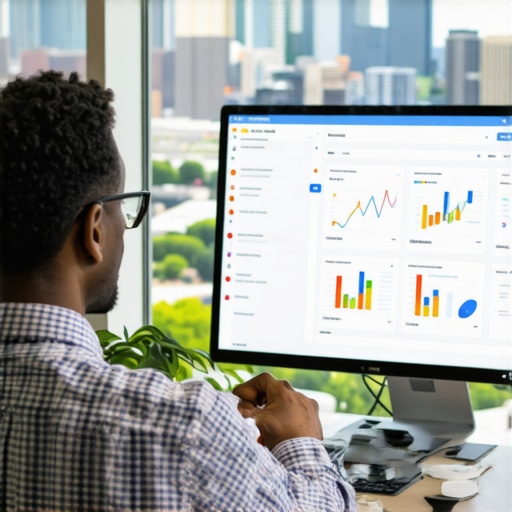
The Hardest Lesson I Learned About maps ranking tips,google maps houston,gmb houston,houston seo,houston local marketing
One thing I didn’t expect was how often I was chasing shiny objects—like adding more keywords or citation sites—while neglecting the core connections that Google’s AI actually values. It took a few setbacks to realize that authenticity and local engagement far outweigh superficial tweaks. My biggest lightbulb moment? Genuine community involvement and responding to reviews sincerely can propel your Houston shop beyond what keyword stuffing ever could.
3 Myths About maps ranking tips,google maps houston,gmb houston,houston seo,houston local marketing That Held Me Back
The first myth I debunked was that having a perfect NAP (Name, Address, Phone) uniformity was enough. It’s crucial, but not a magic bullet if your profile isn’t active or engaging. The second myth? Believing that one good review is enough to boost your ranking. Consistency in reviews and interactions matter more. The last? That over-optimizing your profile with endless keywords will outrank competitors. Trust me—Google AI seems to prefer relevance built through real community signals, not shortcuts.
What Experts Won’t Tell You About maps ranking tips,google maps houston,gmb houston,houston seo,houston local marketing
One insight I wish I had known earlier is that AI algorithms are fast evolving, favoring quality content and engagement over simplistic optimization. For Houston small-business owners, this means creating locally relevant content, hosting community events, and fostering authentic reviews are now more impactful than ever. Industry sounding boards like Neil Patel’s advice highlight that balancing relevance signals with genuine interaction is the future—so avoid falling for outdated tactics like fake reviews or irrelevant citations.
Plus, the most overlooked tactic? Leveraging local story-telling—sharing your company’s involvement in Houston’s events or neighborhood initiatives—and embedding those stories into your Google profile and website. This builds trust with both Google’s AI and your community, giving you a powerful edge in 2026’s competitive landscape.
Keep Your Map Presence Strong with Proven Tools
My secret weapons are tools like these advanced GMB tweaks and citation management platforms such as this citation hub. They help me monitor my profile’s health and stay ahead of competitors. Regular audits using BrightLocal keep my local listings consistent, while review management tools like Podium help me proactively build a positive reputation. These tools, combined with ongoing local content creation, are the backbone of my sustained visibility in Houston.
What about tracking real progress? I use Google Search Console and analytics dashboards to identify what’s working—be it new review acquisition or local keyword shifts—and pivot accordingly. Remember, winning in Houston’s maps isn’t a one-and-done task; it’s about continuous, strategic refinement.
The Future of Local Visibility and Your Next Step
Embracing AI-driven updates, content relevance, and community engagement will be vital as Houston’s local market evolves in 2026. The question is: Are you ready to adapt and leverage these lessons? My journey proved that consistent, authentic efforts—supported by the right tools—can make your shop impossible to ignore on Google Maps and beyond. Now is your moment to build a map presence that stands the test of AI and local competition.
What specific strategies have you tried to improve your Houston shop’s visibility? Share your experiences below—I’d love to hear what’s worked for you or what’s been challenging.
No Responses