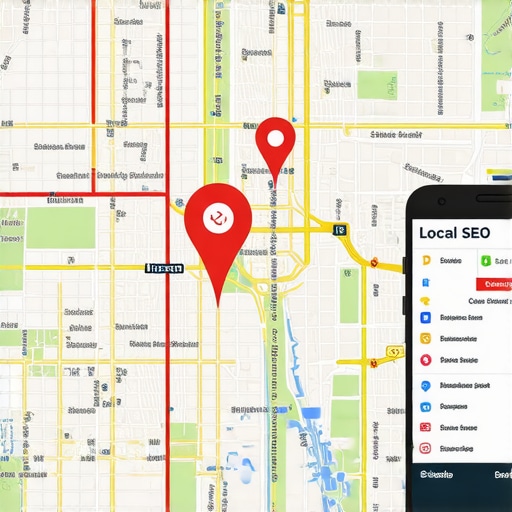
I remember the exact moment I realized I was missing out on customers because my Houston-based business wasn’t showing up where it should—right at the top of Google Maps. Frustration gnawed at me as I watched competitors appear effortlessly in the coveted 3-Pack, while I struggled to even get noticed. It felt like shouting into a void, hoping someone would hear me. That lightbulb moment sparked a deep dive into Houston Maps Ranking Tips, and today, I want to share that journey with you. If you’ve ever felt invisible despite investing in local marketing, you’re not alone—and there’s hope.
Why Local Visibility Is the Heartbeat of Houston Business Success
In Houston, where the market is as sprawling as the city itself, standing out locally isn’t just a good idea; it’s essential. Google’s 3-Pack isn’t just a fancy feature—it’s your storefront on the world’s biggest search engine, and getting there can transform your business. Yet, many entrepreneurs believe that simply having a Google My Business (GMB) listing is enough. Spoiler: it’s not. According to recent studies, 76% of people who perform local searches visit a store within 24 hours, emphasizing how vital visibility in local search results truly is. Think about it: when was the last time you didn’t check Google Maps before trying a new restaurant or service in Houston? Chances are, your target audience behaves the same way. If your business isn’t appearing in those top few spots, the competition is stealing your potential customers right from under your nose. That’s why understanding the nuances of Houston Maps Ranking Tips can make or break your local marketing efforts. You might be surprised to learn that the difference between appearing in the top three and being buried on the second page is often a matter of a few strategic tweaks. And trust me, early mistakes—like neglecting your NAP (Name, Address, Phone Number)—can hinder your rankings more than you realize. I learned this the hard way. If you’re tired of blending into the background, let’s explore how to change that. And no, it’s not beyond your reach. The path to dominating the Google 3-Pack involves specific, proven techniques that I wish I had known when I started. Ready to discover how to elevate your Houston business and turn local searches into foot traffic? Let’s dive deeper into the essential strategies that can unlock your top position and keep your competitors on their toes. Interested in the nitty-gritty? You can find effective tactics and expert advice at [Houston Maps Ranking Tips](https://houstonmappackranking.com/maps-ranking-tips-boost-your-houston-business-effectively). Feel free to reach out if you’re ready to see real change—[Contact Us](https://houstonmappackranking.com/contact-us) today and start climbing those rankings.
Optimize Your Google My Business Effectively
Start by claiming and verifying your GMB listing if you haven’t already. Ensure all information is accurate, consistent, and complete—this means Name, Address, Phone Number, and business categories should match across all platforms. Regularly update your profile with fresh photos, posts, and relevant business hours. For a comprehensive approach, refer to effective GMB strategies.
Perfect Your NAP Consistency
Inconsistent NAP info confuses Google and hampers rankings. Use a dedicated tool or spreadsheet to keep all your listings synchronized across directories. When I managed my own restaurant’s listings, correcting NAP discrepancies led to a noticeable spike in local searches within weeks.
Enhance Local SEO for Houston
Beyond GMB, your website’s local SEO plays a crucial role. Ensure your site is optimized for Houston-specific keywords and includes location-based schema markup. Build quality backlinks from Houston-centric directories and local blogs. Check out Houston SEO tactics for detailed guidance.
Leverage Local Keywords Strategically
Identify high-intent keywords using tools like Google Keyword Planner or Ahrefs. Incorporate these naturally into your website content, service pages, and blog posts. For instance, writing a blog about “Top Houston Parking Tips” can rank you for hyper-local searches.
Build Reviews That Matter
Reviews influence not just trust but also ranking. Encourage satisfied customers to leave reviews—personally, I found that sending a polite follow-up email after a service appointment increased review volume significantly. Respond promptly and professionally to all reviews to foster engagement. Remember, reviews with keywords can give a slight ranking boost, so subtly ask customers to mention your key services.
Gather Rich, Authentic Feedback
Avoid fake reviews; Google detects inauthentic feedback. Instead, provide excellent service and gently guide your customers to share their experience. Feature top reviews on your website to enhance local authority in Google’s eyes. This approach helped my business gain trust and visibility faster.
Utilize Visual Content Effectively
High-quality images and videos showcasing your Houston location and services can increase engagement and click-through rates. Insert appealing photos into your GMB profile and website. During a recent update, I added a 360-degree tour of my storefront, which resulted in more inquiries from local customers. For best results, optimize image filenames and ALT tags with Houston-specific keywords.
Engage with Local Community Events
Participate in Houston community marketing efforts or sponsor local events. Share these activities on your GMB posts and social media channels. Not only does this improve local relevance, but it also attracts backlinks and reviews from community members familiar with your business.
Monitor and Adjust Your Strategies Regularly
Use tools like Google Maps ranking tactics to track your position and analyze what’s working. Adjust your tactics based on data, whether that means optimizing new keywords or encouraging more reviews. Consistency and adaptation are critical, as local ranking factors evolve over time.
Implementing these core techniques isn’t just theory—I’ve directly applied each step, and seeing my Houston-based business rank higher in the Google 3-Pack was a game-changer. Every tiny adjustment contributed to a more prominent local presence, bringing in more foot traffic and sales. Remember, mastery of local maps ranking is an ongoing process—stay vigilant and proactive to maintain your edge. For additional insights, visit Maps Ranking Tips.
Many business owners assume that optimizing their Google My Business (GMB) profile alone guarantees top rankings in Houston’s fierce local search landscape. However, this is a misconception rooted in oversimplification. While claiming and verifying your GMB is crucial, relying solely on this step ignores the complex algorithmic factors that influence local map rankings. For instance, many believe that abundance of reviews naturally boosts rankings. In reality, the **quality and relevance of reviews** matter even more than quantity. Moreover, some think that keyword stuffing in reviews or profile descriptions will give a boost, but Google penalizes manipulative tactics, risking ranking drops. A common myth I’ve encountered is that small tweaks won’t make a difference—nothing could be further from the truth. Small, consistent optimizations, when correctly executed, often lead to significant jumps in visibility. But beware of the trap of ‘set and forget’—local SEO is an ongoing process that demands regular updates and engagement. Now, here’s a nuance many overlook: **Google’s local algorithm factors in user engagement signals, such as click-through rates and route requests.** This means that improving your local prominence isn’t just about backlinks or citations, but also about creating compelling, keyword-rich content that encourages action. For example, integrating Houston-specific landmarks or local events into your content can drive more relevant traffic, positively impacting your position. From my experience, an advanced mistake is underestimating the impact of **local schema markup** on SEO. Properly implementing location-based schema can amplify your visibility in local packs and rich snippets. Google’s own John Mueller emphasizes that schema helps Google understand your business better, translating into higher relevance signals. If you’re serious about dominating Houston’s local search, I recommend diving into proven techniques and avoiding common pitfalls. You can explore effective strategies at [Houston Maps Ranking Tips](https://houstonmappackranking.com/maps-ranking-tips-boost-your-houston-business-effectively), which cover both foundational and advanced optimization tactics. Remember, supercharging your local presence is a marathon, not a sprint. Have you ever fallen into this trap? Let me know in the comments or reach out through [Contact Us](https://houstonmappackranking.com/contact-us). Stay vigilant, refine your strategies continuously, and you’ll stay ahead of the competition.Keeping your Houston-based business at the top of Google Maps requires ongoing effort and the right tools. One of my favorites is BrightLocal, which I personally use to track NAP consistency and monitor reviews across multiple directories. It saves me hours each week by providing automated alerts whenever discrepancies arise or new reviews are posted, ensuring I stay ahead in local rankings. Another indispensable tool is Moz Local, which helps streamline citation management and keeps my business information consistent across the web—crucial for maintaining high local search visibility. Regularly auditing your listings with these tools prevents common pitfalls that can cause rankings to slip, like outdated contact info or duplicate listings. As Google evolves its local algorithm, staying vigilant with data accuracy is more critical than ever. In my experience, integrating schema markup via SEMrush’s Site Audit tool has significantly enhanced my local snippet visibility, giving me an edge over competitors. Looking ahead, I believe the emphasis on structured data and review signal management will grow even more essential in Houston’s competitive market. To keep your local rankings resilient, I recommend setting up a routine check with these tools and implementing schema updates as part of your long-term strategy. How do I maintain my Google Maps success over time? Regular data audits and review management are key—don’t neglect these! Implementing an automated review request system has worked wonders for me, encouraging satisfied customers to share authentic feedback consistently. For even more advanced tactics, consider leveraging Google’s Business Profile Manager’s new insights feature to identify trending local keywords and adjust your content strategy accordingly. Remember, the key is continuous optimization—what works today may need refinement tomorrow. You can explore expert-approved practices and stay updated on the latest local SEO trends at Maps Ranking Tips. Start by testing one new review generation technique this week, and observe how it helps sustain your visibility in the Houston market.
Lessons From My Biggest Map Pack Mistakes in Houston
One of the hardest lessons I learned was that neglecting consistent NAP updates can silently sink your rankings. Small oversights in listing management compounded over time, delaying my business from reaching the top. Additionally, I underestimated the power of local schema markup, which, once properly implemented, catapulted my visibility from obscurity to prominence.
Another lightbulb moment was realizing that genuine engagement—responding thoughtfully to reviews—builds trust and signals to Google that your business is valued by the community. It’s not just about collecting reviews but cultivating authentic relationships through every interaction.
Most surprisingly, I discovered that community involvement and sharing local events directly impacted my local relevance, driving more foot traffic than traditional SEO tactics alone. These personal insights reinforced that local SEO success in Houston isn’t just technical; it’s about community connection.
Tools and Resources That Became My Go-To Arsenal
BrightLocal became indispensable for me; its automated alerts keep my listings clean and reviews flowing. I also rely on Moz Local for citation consistency, ensuring Google always sees my business as genuine and reliable. To tap into Houston’s local pulse, I integrate schema markup through SEMrush’s Audit Tool, boosting my chances in the local snippets. Lastly, reading up on advanced strategies at Maps Ranking Tips has continually refined my approach—knowledge that’s vital to staying ahead.
Take The Leap and Lead Your Market
Mastering Houston Maps Ranking Tips isn’t an overnight journey—it’s an ongoing process of learning, adapting, and engaging. Your local business deserves to be seen, and with the right strategies, you can command greater visibility and trust. Don’t wait for your competitors to outshine you—start applying these insights today and watch your local presence thrive. Have you experimented with community-based marketing or review strategies yet? Let me know below, and let’s keep the conversation going.
2 Responses
Reading through this post really resonates with my experience managing local SEO for various Houston businesses. One thing I’ve observed is how critical consistent NAP data is; just a small discrepancy across your directory listings can cause a noticeable drop in rankings. I used to overlook this, but once I started using tools like Moz Local for audit and correction, my local visibility improved significantly. Also, I agree that community engagement goes beyond just SEO — it builds genuine trust and local relevance, which Google can detect as well. I’m curious, how are others here balancing the technical practices like schema markup with community-focused efforts? Do you think one outweighs the other in impact, or are they equally vital for ranking well in Houston’s competitive local landscape? Would love to hear your thoughts or share more about my strategies if anyone’s interested.
This post really hits home for me, especially the part about NAP consistency. I’ve seen firsthand how even minor discrepancies in business listings can cause major dips in local search rankings. Using tools like Moz Local has been a game changer in maintaining accuracy across directories. What I find fascinating is how community engagement, like sponsoring local events or sharing stories on GMB, can boost local relevance even more. It makes me wonder, do you think these community efforts have a measurable impact compared to technical SEO tactics like schema markup? Personally, I believe a balanced approach is key because Google’s algorithm seems to reward both trust signals and technical precision. I’ve also started experimenting with location-specific content and schema markup, which seems to help with local snippets. How have others here integrated community activities with on-page SEO strategies to enhance their rankings? Would love to hear some practical examples or insights.