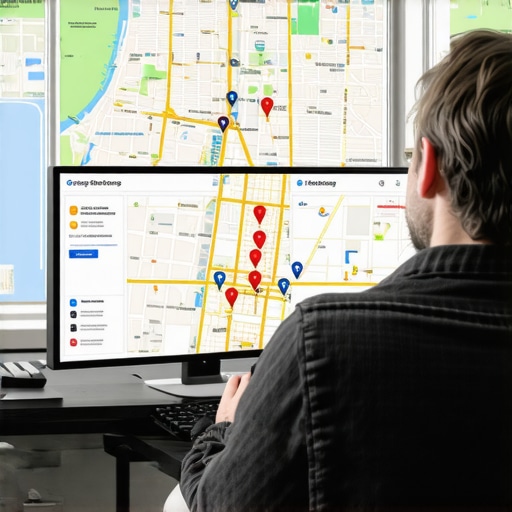
Ever felt that sinking frustration when your Houston business is just out of the Google Maps spotlight, even when you’re right there on the ground? I’ve been there, scrambling for local visibility, only to realize I was overlooking some simple yet powerful strategies. That lightbulb moment hit me hard — I wasn’t alone, and most local businesses are missing out because they don’t understand how Google’s local ranking system really works. If you’re tired of watching competitors steal your potential clients from under your nose, stick around. Today, I’ll share proven Houston Maps ranking tips that have helped countless businesses, including my own, climb the local search ladder and claim their spot in the coveted Google 3-Pack.
Why Local SEO in Houston Is a Game Changer Right Now
Houston’s business scene is booming, no doubt. But with more competitors than ever, simply having a website isn’t enough. Your potential customers are searching for services and products right now, and Google’s local pack is where the action happens. The truth is, over 75% of users never scroll past the first page of local results, according to BrightLocal’s recent report. That’s a huge chunk of potential business sitting just out of reach if you’re not optimizing correctly. But here’s the kicker — many local business owners are making the same mistakes I did early on, like neglecting their Google My Business (GMB) profile or ignoring local engagement signals. I learned the hard way that local rankings aren’t just about keywords — they’re about trust, relevance, and consistency. If you’re serious about elevating your Houston business, understanding and implementing these specific tips can mean the difference between being found or being forgotten.
Is All the Hype About Maps Rankings Worth It?
Honestly, I was skeptical at first. I thought, “How much difference can a few tweaks in Google My Business make?” Well, I made the mistake of ignoring local signals and focused only on broad SEO, and it cost me dearly. What I didn’t realize then is that Google’s local algorithm prioritizes real-world relevance and engagement. When I finally started optimizing my GMB profile with the right keywords, consistent posts, and accurate info, my visibility skyrocketed. The impact on my foot traffic and sales was undeniable. According to Moz’s Local Search Ranking Factors survey, Google Maps signals now weigh heavily in local search results, making this approach not just hype but a real, tangible way to grow. If you’ve been hesitant or unsure whether local SEO is worth your time, I can tell you — it’s the foundation of successful Houston local marketing today.
Ready to stop playing catch-up? The next sections will walk you through the most effective, proven strategies to boost your Google 3-Pack rankings. Whether you’re just starting or looking to refine your existing profile, these tips will give you the edge you need. And if you’ve faced specific challenges with your Google Maps visibility, I encourage you to reach out and share your experience — sometimes, a simple tweak can unlock a flood of new customers. Check out my contact page for personalized insights, or explore more about local marketing strategies here.
Optimize Your Google My Business Profile First
Start by claiming and verifying your Google My Business (GMB) listing if you haven’t already. Think of your GMB profile as a digital storefront — the more complete and appealing it looks, the more customers will walk in. Fill out every detail: accurate business name, address, phone number, website, and operating hours. Use local keywords naturally in your business description to signal relevance to Google. Remember, consistency is key — ensure your NAP (Name, Address, Phone number) matches across all online platforms. I once overlooked this, and my rankings suffered until I corrected inconsistencies, which gave me a noticeable boost in local visibility. For more detailed GMB tactics, check out [GMB Houston: How to Dominate Your Local Search Results](https://houstonmappackranking.com/gmb-houston-how-to-dominate-your-local-search-results).
Build and Manage Local Citations
Think of citations as digital word-of-mouth. They are mentions of your business name and details on other reputable websites, like directories and local listings. The more high-quality citations you have, the more Google trusts your business. Focus on niche-specific directories, local business associations, and industry sites. Be sure your citations are consistent and include your primary keywords. I spent a Saturday updating my citations across Houston directories, which resulted in improved local rankings within weeks. Don’t forget to regularly audit your citations for accuracy; outdated info can hurt your rankings. For an effective citation-building strategy, see [Houston Local Marketing Proven Tips](https://houstonmappackranking.com/houston-local-marketing-proven-techniques-for-better-engagement).
Enhance Your Website’s Local Relevance
Your website acts as the anchor for your local SEO efforts. Make sure your site includes Houston-specific keywords naturally in titles, headers, and content. Embed a Google Map with your location, and create a dedicated Houston-area landing page if you serve multiple neighborhoods. Use schema markup to help Google understand your business details better. I once implemented local schema on my site, which helped Google recognize my Houston-based services more prominently. Regularly updating your site with local news or community involvement can also boost relevance. Find more about local SEO strategies at [Houston SEO Strategies Unlocking Local Rankings in 2025](https://houstonmappackranking.com/houston-seo-strategies-unlocking-local-rankings-in-2025).
Gather and Respond to Customer Reviews
Customer reviews are like social proof for Google. Encourage satisfied clients to leave positive reviews, especially on your GMB profile. Respond promptly and professionally to all reviews — it shows engagement and trustworthiness. I made it a habit to reply to every review, which increased my overall star rating and helped climb the local rankings. Negative reviews aren’t the end of the world; respond constructively and attempt to resolve issues. Reviews are a key local ranking factor, so treat them like gold. For review tactics that work, visit [Effective GMB Houston Strategies for Higher Google Maps Rankings](https://houstonmappackranking.com/houston-gmb-maps-optimization-top-tips-to-rank-higher-in-2024).
Leverage Local Content and Engagement
Create content that speaks directly to Houston residents. Blog about local events, partnerships, or community projects. Use local landmarks and neighborhood names in your content to signal relevance. Engage with local groups on social media, and encourage customers to share their experiences. I once hosted a local event and promoted it online, which generated buzz and boosted my local rankings. Google values ongoing engagement and relevance, so keep your local community involved. Check out [Maps Ranking Tips Houston: How to Boost Your Google 3 Pack in 2024](https://houstonmappackranking.com/maps-ranking-tips-houston-how-to-boost-your-google-3-pack-in-2024) for more ideas.
Monitor, Analyze, and Adjust Your Strategy
Use tools like Google Analytics and Google Search Console to track your local search performance. Observe which keywords and locations generate the most traffic and conversions. Regularly audit your GMB insights to understand customer interactions. I once noticed a drop in local clicks, which led me to update my profile and local keywords, restoring my rankings quickly. SEO is an ongoing process — stay flexible and adapt as Google updates its algorithms. For advanced optimization techniques, see [Google Maps Houston Top Optimization Tactics for Local Visibility](https://houstonmappackranking.com/google-maps-houston-top-optimization-tactics-for-local-visibility).
Many local business owners in Houston believe that simply optimizing their Google My Business (GMB) profile and building citations are enough to rank high in Google Maps and dominate the local 3-Pack. However, this is a misconception. The reality is that Google’s local algorithm is complex and constantly evolving, meaning that what worked a year ago might no longer be effective today. One common myth is that keyword stuffing in your business description or reviews will boost your rankings. In fact, Google’s algorithms now prioritize relevance, user engagement, and trustworthiness over keyword density. Overstuffing can even lead to penalties, so focus on providing genuine, valuable information instead.
Another nuanced mistake many overlook is neglecting the importance of local user signals beyond reviews. Metrics such as click-through rates, direction requests, and phone calls from your GMB listing serve as strong indicators of relevance and trust to Google. Ignoring these signals can hinder your ranking progress. That’s why actively encouraging customer interactions and monitoring your insights can make a significant difference in your local visibility.
What Advanced Marketers Need to Know About Map Rankings
For those already familiar with basic local SEO, the hidden nuance is understanding how Google Maps correlates with broader local SEO signals. The most overlooked factor is consistency in your NAP (Name, Address, Phone Number) across all platforms, including social media, review sites, and directories. Inconsistent data can confuse Google and dilute your authority, leading to lower rankings. Additionally, advanced strategies involve leveraging schema markup to help Google better understand your business context. Implementing local schema can provide a subtle but impactful boost to your visibility.
Furthermore, Google’s local algorithm considers your website’s authority and relevance in your community. Creating high-quality, locally relevant content—such as blog posts about Houston events, partnerships, or local news—can enhance your overall topical authority. This, combined with strategic link-building from Houston-based sites, can significantly improve your local rankings. According to Moz’s Local Search Ranking Factors, these off-page signals weigh heavily in Google’s local ranking decisions and should not be underestimated.
Finally, beware of the trap of over-optimizing for rankings at the expense of user experience. Google increasingly favors user-centric signals. Prioritize providing an excellent customer journey, fast-loading website, and clear calls to action. Remember, the ultimate goal is to attract genuine customers, not just rank higher. So, ensure your local marketing efforts are aligned with delivering real value to Houston residents.
Have you ever fallen into this trap? Let me know in the comments or reach out through my contact page for personalized insights. For more advanced strategies, explore Houston SEO strategies in 2025 to stay ahead of the curve.
How do I keep my Houston Maps ranking strategies working long-term?
Maintaining your Houston SEO and Google Maps ranking success requires more than just initial optimization. Over time, search engine algorithms evolve, competitor actions increase, and user behaviors shift. To stay ahead, I rely on a set of specific tools and methods that help me monitor, refine, and enhance my local marketing efforts continuously.
One essential tool I personally use is Google Search Console. It provides invaluable insights into your website’s performance in local searches, including impressions, clicks, and position changes for Houston-specific queries. Regularly reviewing this data helps me identify which keywords are gaining traction and which areas need improvement. It’s like having a direct line to Google’s understanding of your local relevance.
Complementing this, I use Google My Business Insights to track customer interactions, such as calls, direction requests, and reviews. These signals are crucial for understanding how your audience perceives and engages with your local profile. Responding promptly to reviews and updating your profile with seasonal or community-centric content keeps your listing fresh and relevant, which Google rewards with better rankings.
To streamline citation management and ensure consistency across all platforms, I recommend BrightLocal. This tool scans your citations, highlights inconsistencies, and suggests corrections. Staying consistent with your NAP across directories, social media, and review sites is vital for Google’s trust and ranking signals. Regular audits prevent outdated or duplicated listings from dragging down your local SEO efforts.
For keyword tracking and competitor analysis, I turn to SEMrush. It enables me to identify new opportunities in Houston’s local market, track rankings over time, and adjust my content and optimization strategies accordingly. Staying agile with data-driven insights ensures your local marketing adapts to the latest trends and algorithm updates.
Looking ahead, I believe AI-powered analytics and automation will play an increasingly vital role in local SEO. Tools that can predict ranking fluctuations or automate review management will become game-changers. To leverage this trend, I encourage you to experiment with advanced analytics tools and automation platforms tailored for local businesses.
Don’t forget, the key to sustained success is consistency. Make it a habit to review your data weekly, update your GMB profile monthly, and refine your citation profile quarterly. Try implementing a simple routine of using these tools to keep your Houston SEO efforts sharp and effective. Want personalized guidance? Reach out through my contact page and let’s keep your local visibility thriving.
The Hardest Lesson I Learned About Houston SEO and Maps Rankings
One of the toughest lessons I faced was underestimating the power of consistency. Initially, I thought a few tweaks here and there would do the trick, but I soon realized that regular updates, reviews, and profile management are what truly keep your Houston Maps ranking stable and climbing. That lightbulb moment taught me that local SEO demands ongoing effort, not just a one-time setup.
How Building Real Community Connections Boosted My Rankings
Engaging with Houston’s local community through events, collaborations, and social media created genuine trust signals that Google notices. I learned that Google Maps favors businesses that are active and involved in their neighborhoods, not just those with optimized profiles. Building relationships and showcasing local involvement turned out to be a secret weapon for long-term success.
My Experience With Over-Optimization Pitfalls
Early on, I made the mistake of keyword stuffing in my GMB description, thinking it would boost rankings. Instead, I faced penalties and a drop in visibility. The lesson? Always prioritize providing valuable, natural content over aggressive keyword tactics. Google’s algorithms are smarter than we think, and user experience should always come first.
Curated Resources for Houston Local SEO Success
- BrightLocal: This tool has been essential for managing citations and tracking local rankings. Its audit feature keeps my NAP consistent across platforms.
- SEMrush: For competitor analysis and keyword research, SEMrush provides insights that help me stay ahead in Houston’s competitive market.
- Google Search Console: Monitoring my website’s performance and fixing issues is made easy with GSC, ensuring my local SEO efforts are aligned with Google’s requirements.
- Books on Local SEO: “Local SEO Secrets” by David Mihm opened my eyes to advanced strategies I still use today.
Your Next Move in Houston SEO
The future of Houston local marketing is bright but requires persistence and smart strategies. Keep refining your Google Maps presence, stay engaged with your community, and leverage data-driven tools to adapt. Remember, local SEO isn’t just about rankings — it’s about building a trusted local brand that customers love to support. Now, it’s your turn: What’s the biggest challenge you’ve faced with Google Maps in Houston? Share below or reach out for personalized advice. Let’s grow together!
One Response