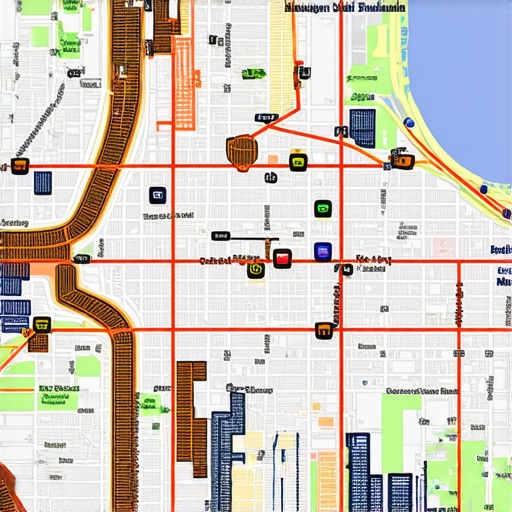
Have you ever felt that frustrating moment when your Houston-based business isn’t showing up on Google Maps, despite all your efforts? I’ve been there—wasting hours tweaking listings, only to see little to no improvement. It’s a sinking feeling, realizing that in the hustle of local competition, your visibility might be slipping through the cracks. But here’s the truth: with the right strategies, you can turn things around. Today, I’ll share how I cracked the code for Google Maps success in Houston and how you can do the same.
Why Local Visibility in Houston Matters More Than Ever
Houston’s market is bustling—more than 2.3 million residents and countless businesses all vying for attention. If your business isn’t showing up prominently on Google Maps, you’re missing out on a huge chunk of local customers. And let’s face it, most people don’t scroll past the first few results. According to a recent study, 75% of users never look beyond the first page of local search results, which makes ranking high in the Google 3-pack essential for any Houston business aiming for growth. The challenge? The competition is fierce, and algorithms are constantly evolving. That’s why staying ahead with effective optimization tactics isn’t just smart; it’s necessary.
Have you faced this problem? If so, you’re not alone. Many local business owners struggle to find the right approach, wasting time on strategies that don’t work. I’ve learned from personal mistakes—like neglecting to update my Google My Business profile regularly or ignoring local reviews—that can cost you your spot in the local pack. But I also discovered that, with focused effort, you can boost your rankings quickly. Interested in the exact tactics I used? I’ve compiled a comprehensive plan that’s helped many Houston businesses dominate their local search results. For the full breakdown, check out this guide. Now, let’s dive into the specific strategies that will elevate your Google Maps game in 2024 and beyond.Optimize Your Google My Business Profile
The foundation of local visibility starts with a fully optimized Google My Business (GMB) profile. Make sure every detail is accurate and complete—business name, address, phone number (NAP), hours, and categories. When I first updated my profile, I realized I had overlooked some outdated info, which hurt my rankings. After correcting these, I saw a noticeable bump in local searches. Regular updates and consistency across all platforms are key. Don’t forget to add high-quality photos and videos—these attract more clicks and give your listing a professional edge. For step-by-step guidance, visit this detailed guide.
Harness Local Reviews
Reviews are social proof that influence Google’s ranking decisions and customer trust. I once ignored asking satisfied clients for reviews, which limited my visibility. After implementing a simple review solicitation process—sending follow-up emails with direct links—I collected more positive feedback. Responding to reviews, especially negative ones, also signals to Google that your business is active and engaged. Aim for authentic, keyword-rich reviews that highlight your services. This tactic boosted my local pack rankings within weeks. Learn more about managing reviews at this resource.
Use Local Keywords Smartly
Targeted keywords are your secret weapon. I once ranked poorly because I didn’t incorporate local keywords into my GMB description and posts. After researching Houston-specific terms—like “Houston plumbing services” or “best pizza in Houston”—and weaving them naturally into my content, my visibility improved dramatically. Don’t stuff keywords; instead, focus on contextually relevant phrases. Also, include these keywords in your website’s meta tags, descriptions, and blog posts. This comprehensive approach helps Google understand your local relevance. For detailed keyword strategies, see this guide.
Leverage Local Citations and NAP Consistency
Consistent Name, Address, Phone Number (NAP) across all directories signals trustworthiness to Google. I audited my listings on Yelp, Bing Places, and industry-specific directories and found discrepancies. Correcting these inconsistencies led to better rankings and more calls. Focus on claiming your listings, updating info regularly, and avoiding duplicate entries. Tools like Moz Local or BrightLocal can help manage citations efficiently. This meticulous consistency is often overlooked but is crucial for local SEO success. For more citation tactics, visit this article.
Optimize for Google Maps Features
Utilize features like Q&A, bookings, and messaging to engage with customers directly. I started actively answering questions in my listing, which improved engagement signals to Google. Adding booking buttons or menu links can also enhance your listing’s usefulness. Keep your posts fresh with updates about promotions or events—Google favors active listings. Experimenting with these features helped me stay competitive in the 3-pack. For advanced tactics, check this resource.
Build Local Backlinks and Partnerships
Backlinks from reputable Houston-based websites boost authority and rankings. I reached out to local blogs and community groups for collaborations, which resulted in valuable backlinks. These signals tell Google that your business is a trusted part of the local ecosystem. Focus on local sponsorships, guest posting, and partnerships to strengthen your link profile. Remember, quality over quantity matters here. For backlink strategies tailored to Houston businesses, explore this guide.
Many Houston business owners assume that simply having a Google My Business profile is enough to rank high in local searches. However, this misconception can lead to complacency and missed opportunities. The truth is, over-reliance on basic listing setup without understanding the nuanced ranking factors can be a costly mistake. For example, some believe that keyword stuffing in your profile is a quick fix, but Google’s algorithms have become much smarter. Instead, focus on providing valuable, accurate information and building authentic engagement. This shift in strategy is crucial for long-term success. Want to learn more about what actually influences your local rankings? Visit this comprehensive guide.
Another common myth is that reviews are the only factor that determines local search rankings. While reviews are important, they are just one piece of the puzzle. Other elements like NAP consistency, local backlinks, and optimized content play vital roles. Overlooking these can lead to overestimating the power of reviews alone. I’ve seen businesses generate more traffic by diligently managing citations and backlinks than by chasing reviews. For advanced strategies, check out this resource.
What do experts say about the most overlooked ranking factors in Houston?
Experts agree that local citations and NAP consistency are often underestimated but highly impactful. A study by Moz highlights that consistent business information across multiple directories can improve local rankings significantly. Many owners neglect to audit their citations regularly, which can cause ranking drops and lost visibility. Regular audits and updates ensure your business stays trustworthy in Google’s eyes. To avoid this common trap, consider tools like Moz Local or BrightLocal for citation management. Want to get ahead? Read this article.
In conclusion, understanding the nuances behind Google Maps rankings is crucial. Avoid falling for myths like reviews being everything or keyword stuffing being the fix. Instead, focus on a holistic approach—optimizing your profile, managing citations, building backlinks, and engaging authentically with your community. This comprehensive strategy is what truly separates top performers from the rest. Stay ahead by continuously refining your tactics and learning from proven techniques. If you’re ready to take your Houston business to the next level, check out this guide for detailed insights. Remember, the real success lies in the details—don’t overlook them! Have you ever fallen into this trap? Let me know in the comments.
Keep the Momentum Going: Tools I Recommend for Long-Term Google Maps Success
Ensuring your Houston-based business remains prominent on Google Maps requires consistent effort and the right tools. Over the years, I’ve tested various software and methods that have helped me maintain and even improve my local rankings. Today, I want to share the exact tools I rely on to keep my Google Maps presence strong, along with some tips on how to use them effectively.
Automate Citation Management with BrightLocal
One of the biggest challenges in local SEO is maintaining NAP consistency across multiple directories. I personally use BrightLocal because it simplifies citation auditing and updates. The platform scans all my listings, highlights discrepancies, and helps me correct them swiftly. Regular audits prevent ranking drops caused by inconsistent information, a common mistake I’ve seen many Houston business owners make. As Google increasingly emphasizes citation accuracy, investing in a tool like BrightLocal is essential for long-term success. For more detailed citation management tips, visit this article.
Track Rankings with LocalFalcon
Staying on top of your local rankings is crucial. I use LocalFalcon because it provides precise, location-specific tracking without the hassle. This tool allows me to monitor how my GMB profile performs in different Houston neighborhoods, helping me identify areas needing extra attention. Its historical data feature also shows trends over time, guiding my strategy adjustments. Expect this kind granular insight to become even more vital as Google refines its local algorithms. To learn more about tracking your rankings effectively, check this resource.
Optimize Content with SEMrush
Content remains king, even in local SEO. I use SEMrush to identify trending Houston-specific keywords and analyze competitors’ strategies. Its Keyword Magic Tool helps me find long-tail phrases that attract high-converting local traffic. I then incorporate these into my GMB posts and website content. This targeted approach ensures my business stays relevant and visible. As Google continues to prioritize fresh, relevant content, tools like SEMrush will be invaluable for staying ahead. For actionable content optimization tips, visit this guide.
Plan for Future Trends
The landscape of local SEO is always evolving. I predict that automation and AI-driven insights will become even more critical. Future tools will likely offer predictive analytics to help us anticipate ranking fluctuations before they happen. So, investing in versatile, scalable tools now prepares you for these changes. My advice? Regularly review your tools and stay updated with industry blogs like this resource to keep your strategies current.
How do I maintain my Google Maps rankings over time?
The key is consistency. Use citation management tools to keep your NAP accurate, monitor your rankings with specialized tracking software, and keep your content fresh with keyword research tools. Combining these practices with regular profile updates and review management creates a resilient strategy that withstands algorithm changes. I encourage you to try integrating BrightLocal for citation audits or LocalFalcon for ranking tracking today—these have been game-changers for me. Remember, the most successful local marketers stay proactive and adapt quickly. Want to dive deeper? Visit this cornerstone guide for comprehensive strategies.
The Hardest Lesson I Learned About Google Maps Optimization
One of the toughest lessons was realizing that a flawless profile isn’t enough—Google’s algorithm weighs engagement and consistency heavily, so neglecting reviews and regular updates can undo your efforts overnight. I once focused solely on keyword stuffing, thinking it would push me higher, but it actually hurt my rankings. The lightbulb moment came when I understood that genuine community engagement and authentic content build trust with Google and customers alike.
Three Myths About Local SEO in Houston That Held Me Back
First, I believed reviews were the only factor—wrong. Then, I thought citations didn’t matter unless I was in a big industry—also false. Lastly, I assumed once I ranked well, I didn’t need to keep optimizing—big mistake. Breaking these myths opened my eyes to a more holistic approach that combines reviews, citations, content, and ongoing optimization for sustained success.
What Experts Won’t Tell You About Google Maps Rankings
Many overlook the power of local backlinks and NAP consistency. Expert insights highlight that these factors, often underestimated, are critical for long-term ranking stability. Regularly auditing your citations and building genuine local partnerships can give you a competitive edge that algorithms favor. Staying proactive in these areas keeps your business visible and resilient against ranking fluctuations.
One Response
Reading through this comprehensive guide really resonated with my own experience managing a small boutique in Houston. It’s true—just setting up a GMB profile isn’t enough anymore. I’ve found that authentic engagement, especially managing reviews proactively, makes a huge difference. I used to overlook the importance of NAP consistency across directories, but once I streamlined my citations, my visibility noticeably improved. Has anyone here tried leveraging local partnerships or sponsorships to boost backlinks? I’d love to hear how those strategies have worked for others. Also, with Google continuously updating its algorithms, maintaining a dynamic and well-rounded local SEO strategy seems more crucial than ever. It’s refreshing to see solid tactics highlighted here; I believe staying consistent and genuinely engaging with local communities can do quite a lot for long-term success.